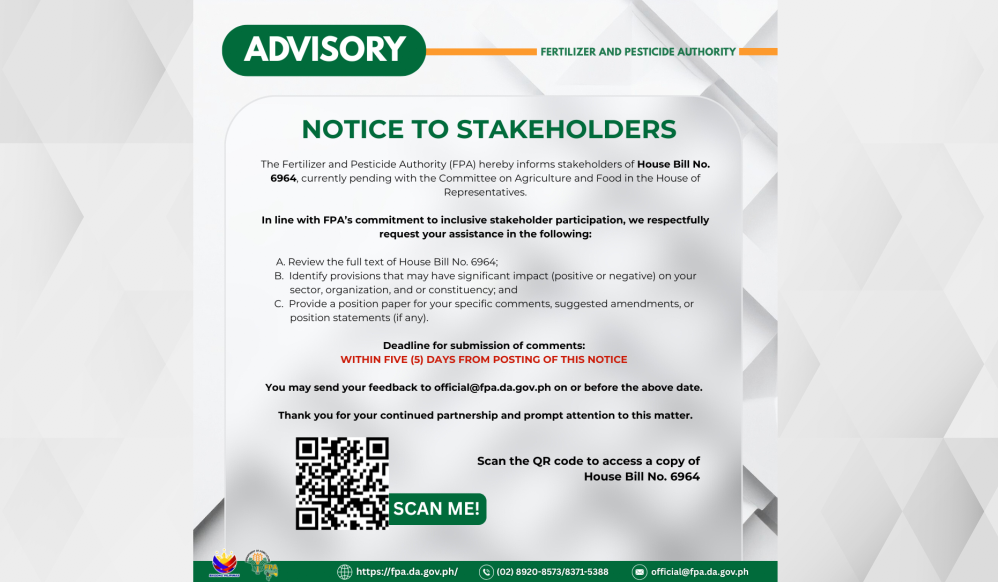
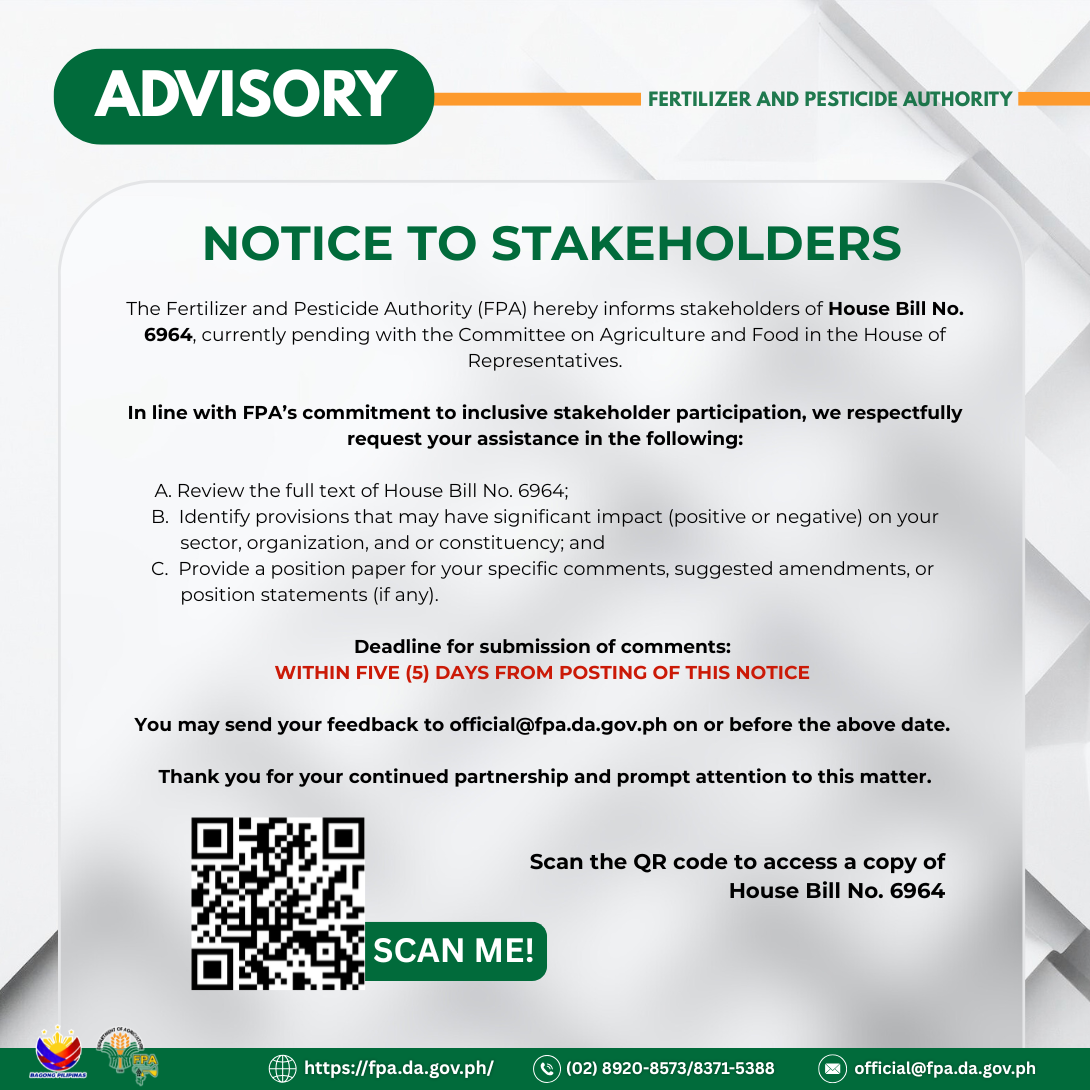
AN ACТ STRENGTHENING AND MODERNIZING THE REGULATORY FRAMEWORK FOR FERTILIZERS, PESTICIDES, AND OTHER AGRICULTURAL CHEMICALS, RESTRUCTURING THE FERTILIZER AND PESTICIDE AUTHORITY, AND FOR OTHER PURPOSES
Author: ICTSadmin
-
FPA Memorandum Circular No. 2025-32
Implementation of Google Form submission for Experimental Use Clearance (EUC) 1A and 1B applications
-
FPA strengthens fertilizer industry oversight through inspection mission in Iloilo and Cebu
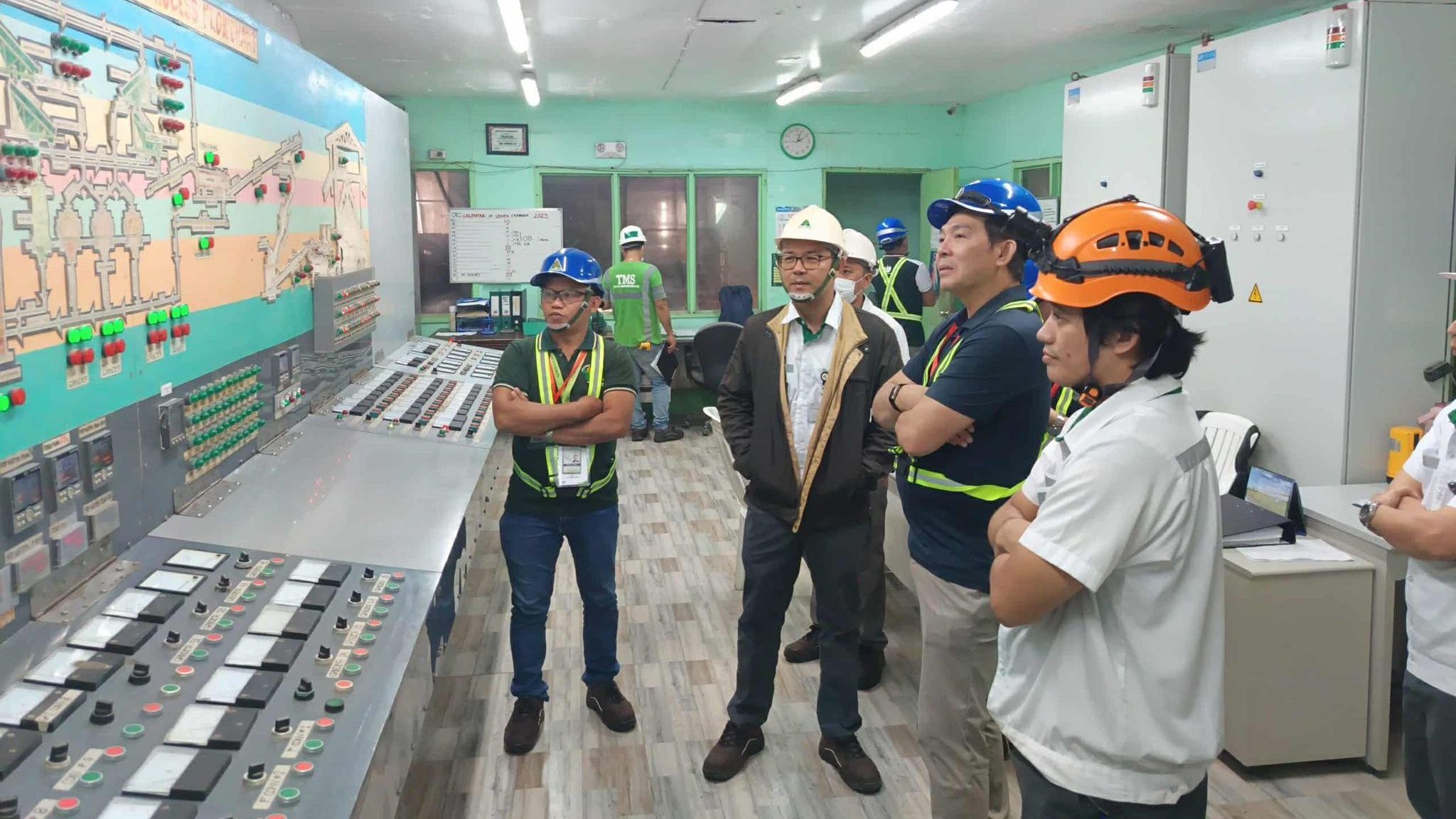
November 21, 2025 | Cebu City – The Fertilizer and Pesticide Authority (FPA) conducted a three-day inspection and monitoring mission from November 17 to 19, 2025 across key fertilizer manufacturing plants, warehouses, and handlers in Regions VI and VII, specifically in Iloilo and Cebu, to reinforce compliance with regulatory standards and strengthen industry accountability.
Led by OIC-Deputy Executive Director for Fertilizer Gerardo T. Santiago, the FPA team composed of personnel from the Fertilizer Regulations Division (FRD), the Field Operations Coordination Unit (FOCU), and the Regional Field Units (RFUs) VI and VII carried out on-site assessments of production operations, facility management practices, and distribution protocols used by fertilizer companies in the region.
“Our goal is to ensure that every fertilizer product reaching farmers is handled, stored, and produced according to the highest safety and quality standards,” Deputy Director Santiago said. “These inspections are part of our continuing commitment to protect the agricultural sector through strict yet fair regulatory oversight.”
Ensuring compliance and improving operations
The mission resulted in detailed assessments of fertilizer production processes, encompassing crushing, mixing, granulation, drying, screening, and bagging. Inspectors also verified the accuracy of fertilizer packaging through random weighing of 50-kilogram bags. Results showed weights ranging from 50.50 to 50.90 kilograms, well within acceptable regulatory limits and consistent with FPA standards.
The FPA team documented operational concerns that may affect fertilizer quality and warehouse safety. These included the lack of pallets that exposed products to moisture, congested warehouse layouts that limited airflow, and inconsistent re-weighing practices in some manufacturing lines.
Director Santiago stressed that addressing these concerns is essential to maintaining high-quality agricultural inputs. “When we detect gaps early, we prevent bigger problems that could compromise fertilizer quality and ultimately impact farmers’ productivity,” he explained.
In addition, the FPA conducted on-site technical guidance sessions to ensure that warehouse workers, plant supervisors, and handlers understand regulatory requirements and proper fertilizer management procedures. The team also met with Visayan Agricultural Innovation Incorporated (VAII) to clarify rules on fertilizer registration, licensing, and documentary compliance, all key elements in maintaining the integrity of the fertilizer supply chain in the Visayas Cluster.
Another major output of the mission was the preparation of full inspection documentation, including compliance findings, risk assessments, and operational observations. These reports will inform future enforcement actions and guide ongoing policy development for fertilizer regulation in the Philippines.
Key compliance recommendations for fertilizer manufacturers and warehouses
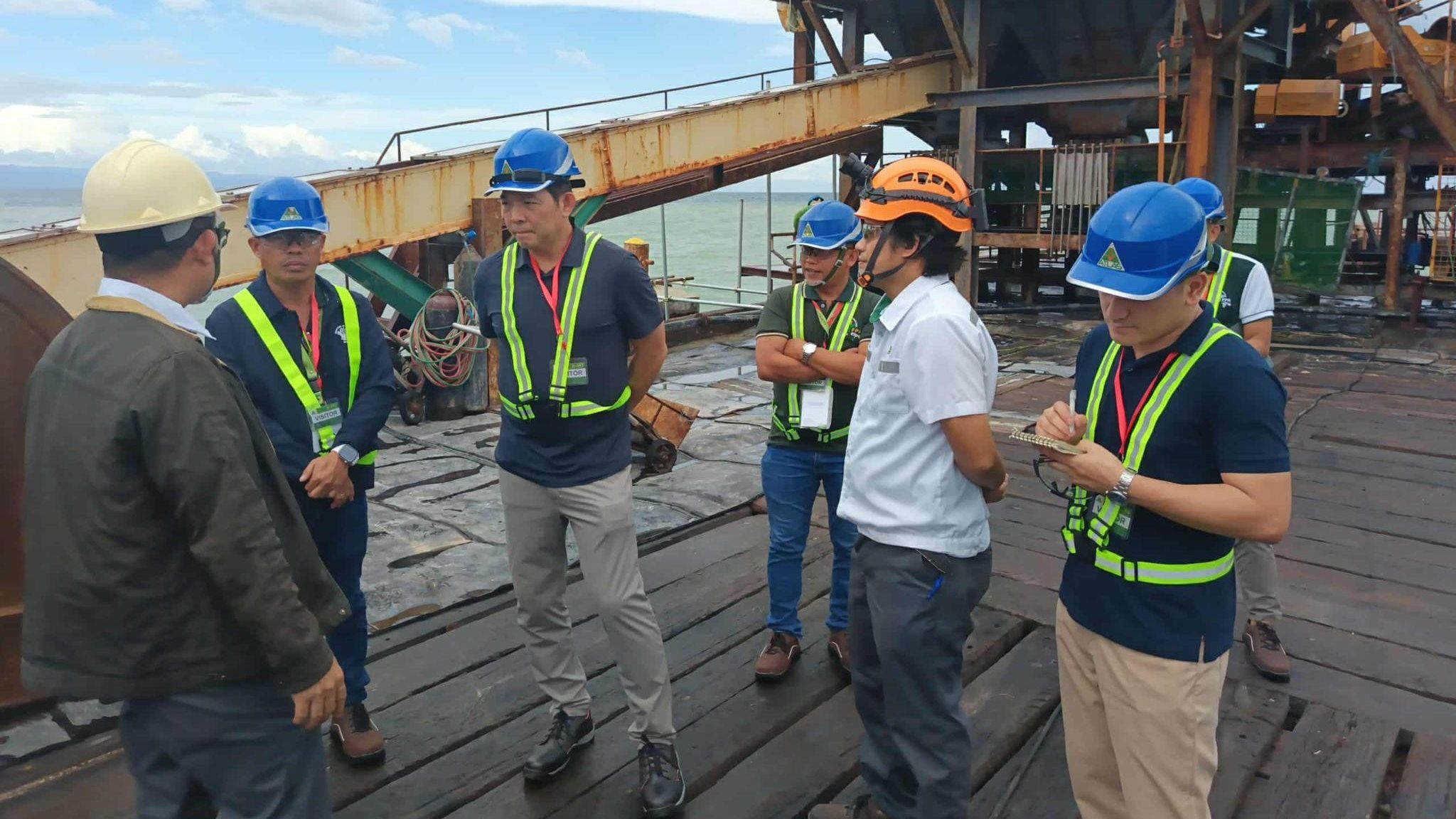
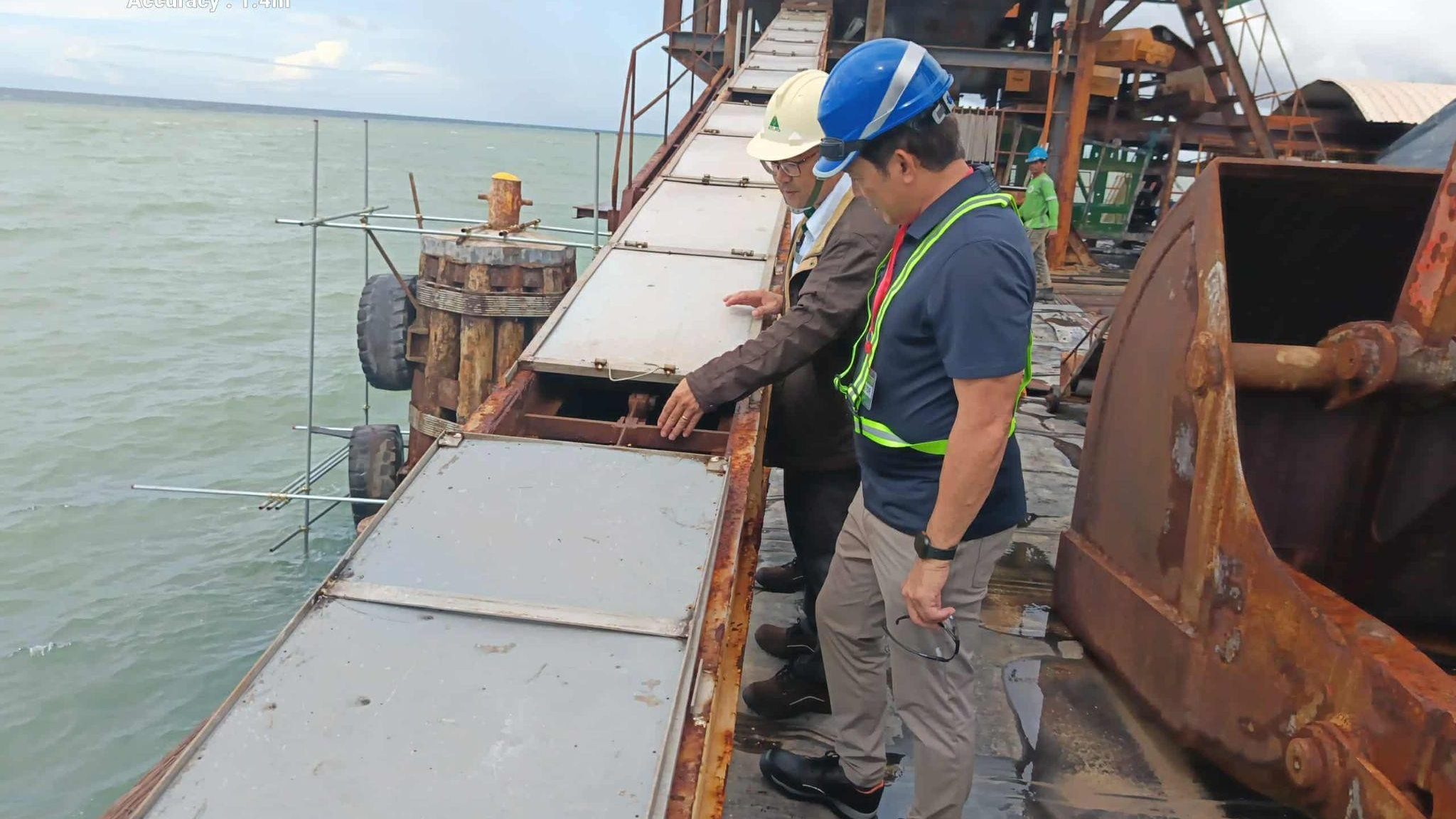
Based on the findings, the FPA issued a series of recommendations to improve fertilizer industry compliance. Facilities were encouraged to enhance palletization to prevent moisture exposure and to adopt stricter housekeeping measures, such as improving ventilation and decluttering congested warehouses. Manufacturers were advised to follow consistent re-weighing procedures to ensure product uniformity and accuracy. The agency also urged companies to strengthen product stewardship systems for damaged or returned goods and reminded transport handlers to follow proper loading and unloading procedures to prevent losses and product damage during distribution.
Deputy Director Santiago emphasized that fertilizer compliance is a shared responsibility among manufacturers, distributors, and handlers. “We expect companies to act on our recommendations promptly, not just to meet regulatory standards but to protect the integrity of the fertilizer supply chain and support our farmers,” he said.
Towards improved fertilizer oversight nationwide
The mission resulted in detailed inspection documentation, policy-relevant observations, and actionable recommendations for improving operations in the inspected facilities. It also strengthened collaboration between FPA regional offices and industry players, contributing to a more robust fertilizer regulatory environment.
Deputy Director Santiago concluded: “By identifying gaps early and guiding our stakeholders towards compliance, we help build a safer, more reliable, and more efficient fertilizer industry, one that supports farmers and protects the nation’s food security.”
The FPA will continue its nationwide inspection activities to ensure that fertilizer manufacturers, distributors, and handlers adhere to regulatory standards designed to protect both consumers and the environment.
###
Writer: Ivan P. Lagay – Planning Officer IV
|
_________________________________________________________
Fertilizer and Pesticide Authority (FPA) Online ISSN: 2815-1674
Published by the FPA Information and Communications Team -
FPA SOCCSKSARGEN strengthens agrochemical safety through ASD training
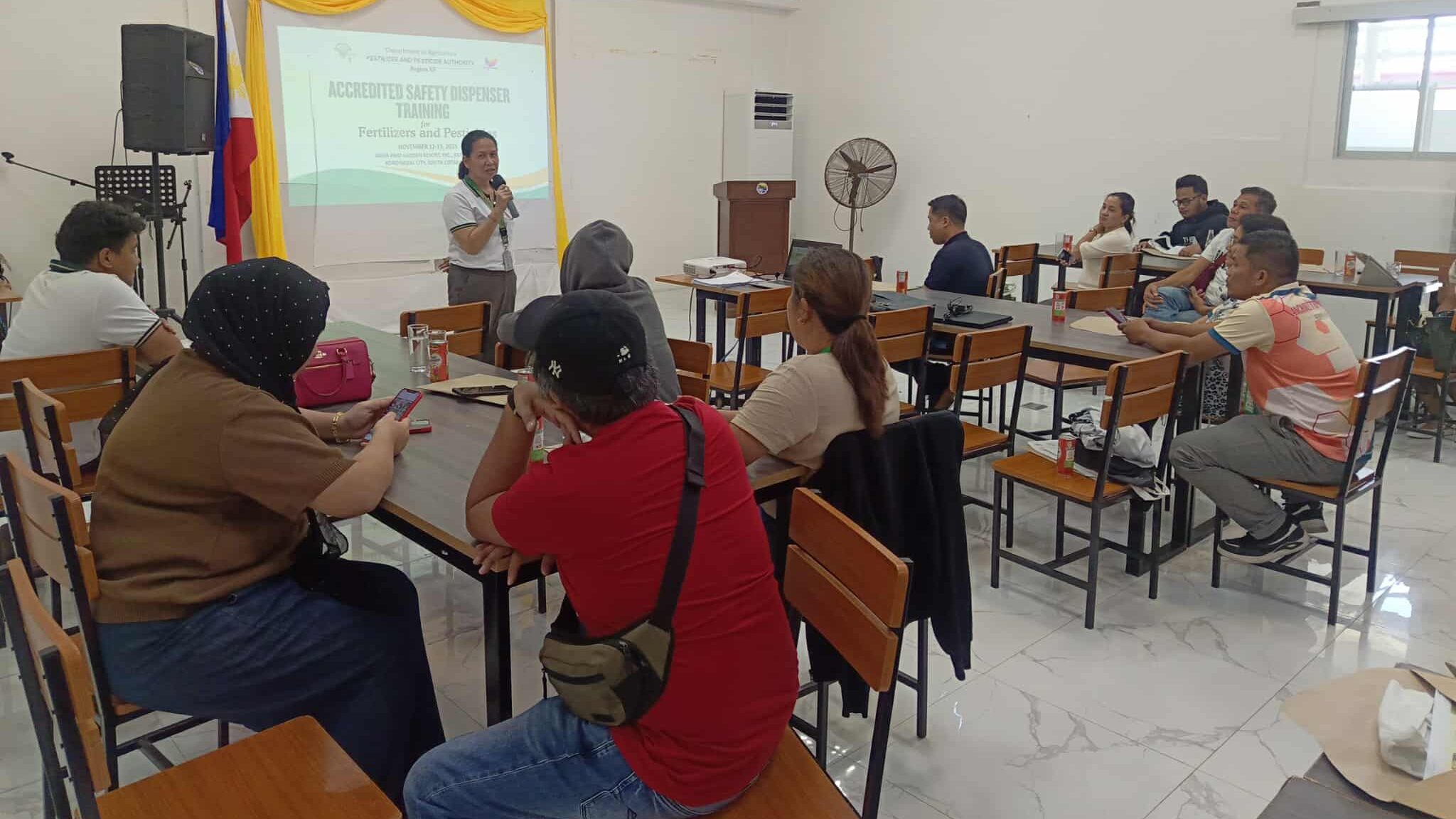
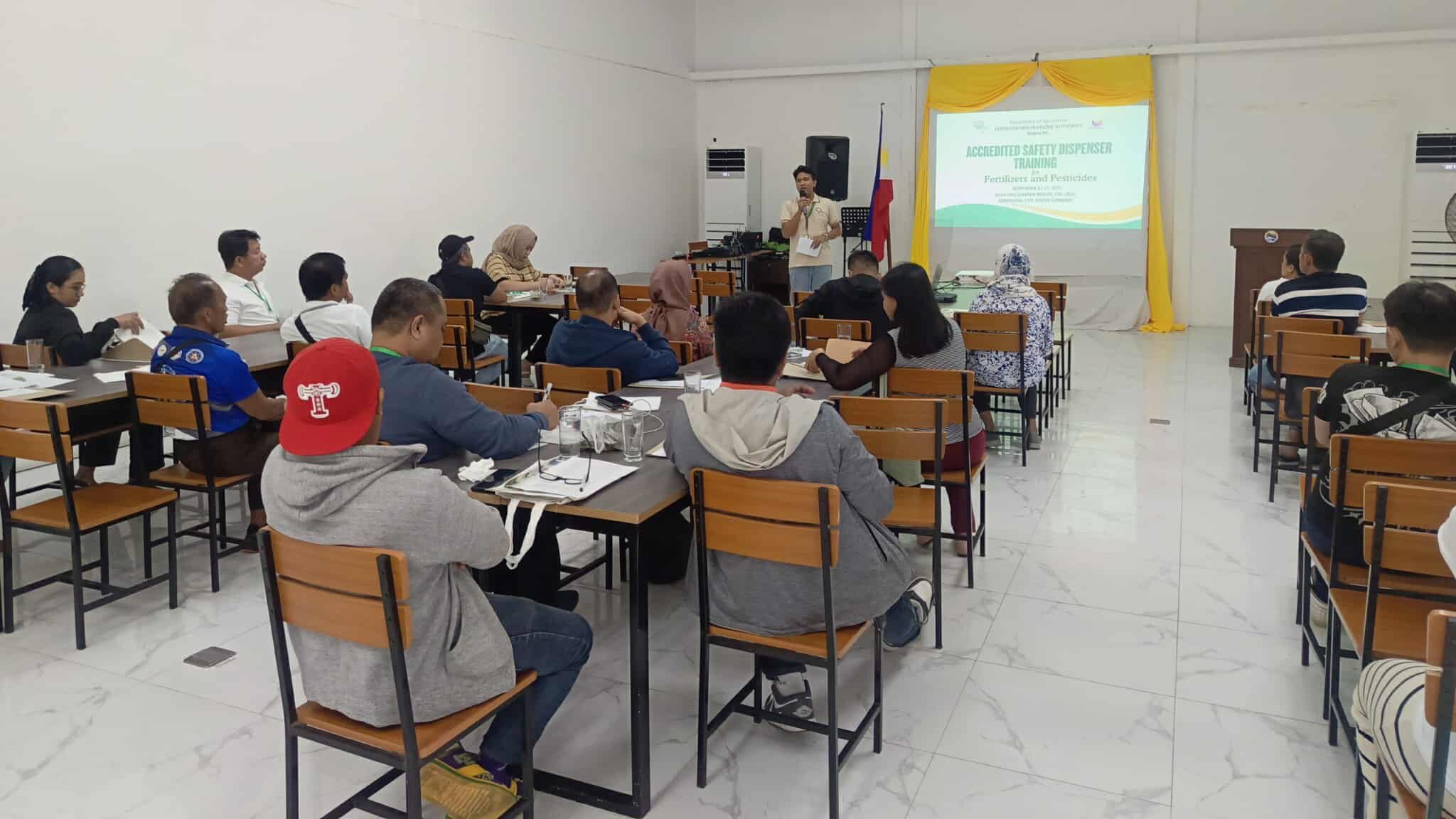
November 16, 2025 | Koronadal, South Cotabato – Thirty-one (31) dealers, and traders from SOCCSKSARGEN and BARMM completed the Accredited Safety Dispenser (ASD) Training conducted by the Fertilizer and Pesticide Authority (FPA) Region XII on November 12–13, 2025, at Agua Frio Garden Resort, Koronadal City.
The two-day training covered the FPA mandate, safe pesticide handling, emergency response, Integrated Pest Management (IPM), soil fertility, fertilizer classifications, and proper storage practices. Discussions highlighted how responsible product handling directly supports crop productivity and environmental protection.
The activity emphasized that incidents such as poisoning, misuse, and contamination are preventable through proper knowledge and compliance. Participants were equipped with the essential skills to manage fertilizers and pesticides safely, reducing risks to human health and the environment.
FPA SOCCSKSARGEN encourages participants to apply the training by improving store facilities, ensuring proper storage, using protective equipment, and educating farmers and other stakeholders. ###
Writers: Joey B. Pascua- Agriculturist II
Kimberly Gem A. Apostol- Agriculturist II|
_________________________________________________________
Fertilizer and Pesticide Authority (FPA) Online ISSN: 2815-1674
Published by the FPA Information and Communications Team -
FPA Memorandum Circular No. 2025-29
Change of terminology from Experimental Use Permit (EUP) to Experimental Use Clearance (EUC)
-
FPA SOCCSKSARGEN strengthens compliance on agri-input safety
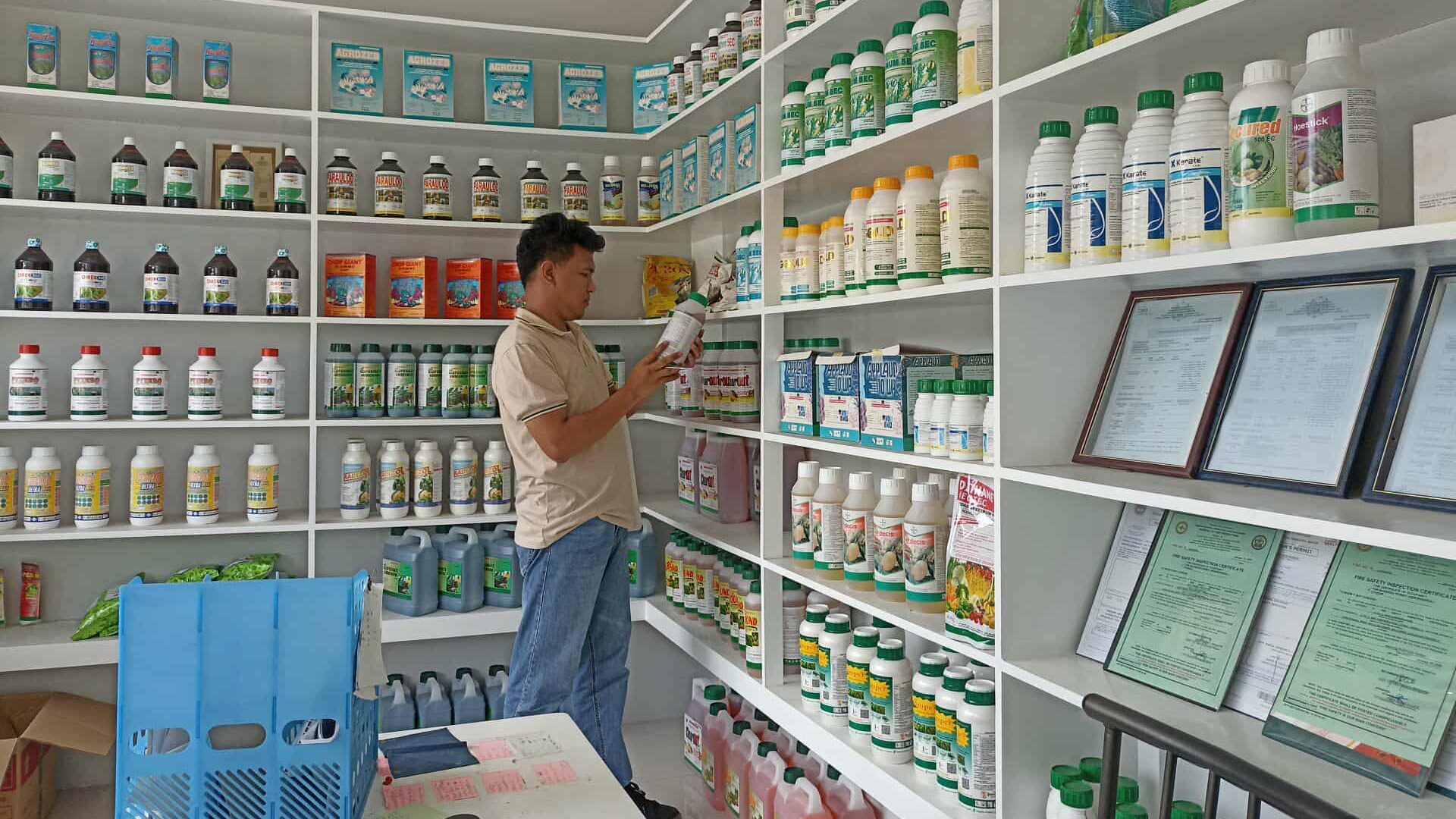
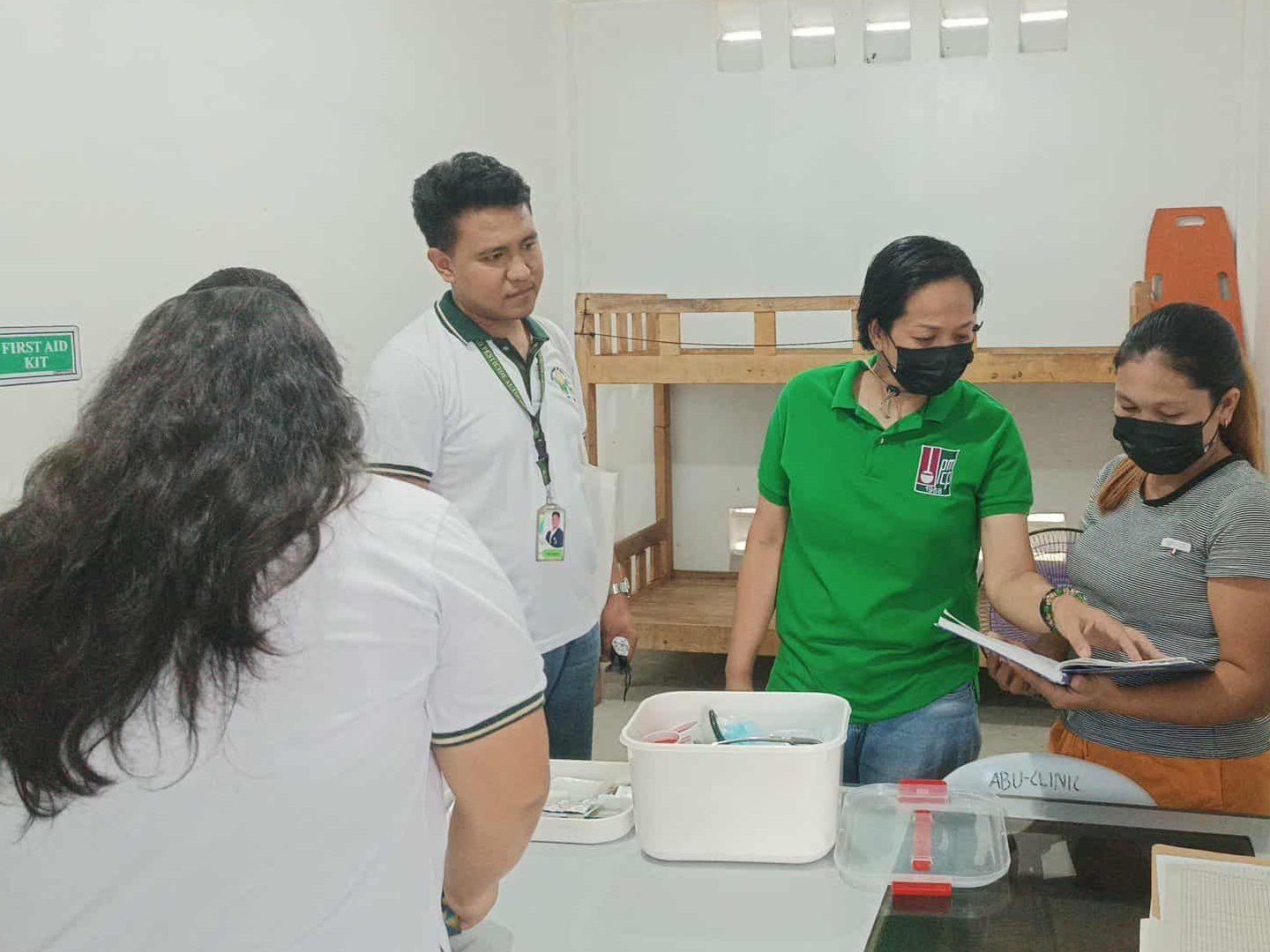
October 28, 2025 | Koronadal City, South Cotabato – The Fertilizer and Pesticide Authority (FPA) Regional Office SOCCSKSARGEN conducted a four-day Clean-Up Drive Operation and Occupational Health and Safety Inspection on October 21–24, 2025, in General Santos City and Sarangani Province. The activity is part of the Agency’s continuing efforts to ensure the safe, lawful, and responsible management of fertilizers and pesticides across the region.
Ensuring Compliance and Safety
The inspection team assessed 34 establishments, including fertilizer and pesticide dealers, warehouses, and institutional users, for compliance with product registration, dealer licensing, and occupational safety standards. A total of 124 fertilizer and 154 pesticide products were also monitored for label authenticity, registration validity, and quality through random weighing and sampling.
The inspection revealed the following:
- 10 unlicensed dealers operating without FPA authorization and Accredited Safety Dispensers (ASDs);
- 1 dealer with expired and improperly stored fertilizers;
- 19 compliant dealers adhering to all licensing and safety requirements;
- 3 warehouses subjected to Risk Appraisal Assessments; and
- 2 institutional users evaluated for Occupational Health and Technical Safety practices.
Enforcement and Corrective Actions
Notices of Violation (NOVs) were issued to non-compliant establishments, directing them to address deficiencies and participate in the Accredited Safety Dispenser (ASD) training on November 12–13, 2025, in Koronadal City.
Corrective measures were also recommended, including the installation of emergency eyewash stations, improvement of chemical storage facilities, and other interventions to strengthen workplace safety and compliance.
Provincial Officer Joey B. Pascua encouraged full cooperation from stakeholders, stating that all dealers participate in the ASD training and implement the necessary corrective measures.
He emphasized FPA remains a partner in helping establishments comply and operate responsibly.
Commitment to Sustainable and Safe Agriculture
Regional Officer Maricel P. Tabigue highlighted the importance of proactive field monitoring and safety inspections in promoting a culture of compliance.
“Through proactive monitoring and safety inspections, we ensure that our dealers and users uphold standards that protect both farmers and the environment. Compliance is not just a regulatory duty—it’s a shared commitment toward sustainable agriculture,” she said.
The activity underscored the FPA’s commitment to promoting responsible agricultural input management and ensuring the welfare of farmers, consumers, and the environment. ###
Writers: Joey B. Pascua – Agriculturist II; Nikko B. Tuscano – Agriculturist I
|
_________________________________________________________
Fertilizer and Pesticide Authority (FPA) Online ISSN: 2815-1674
Published by the FPA Information and Communications Team - 10 unlicensed dealers operating without FPA authorization and Accredited Safety Dispensers (ASDs);