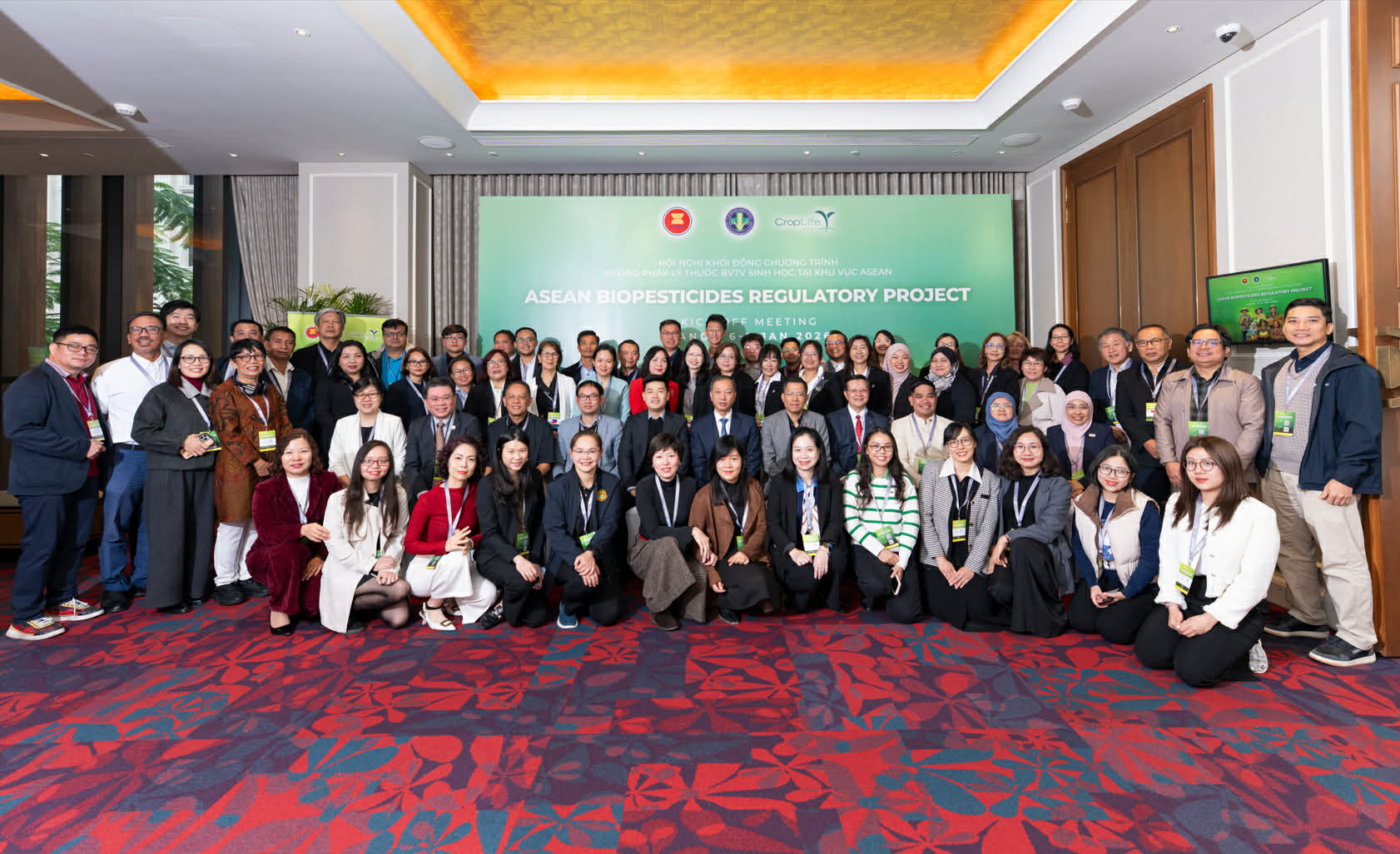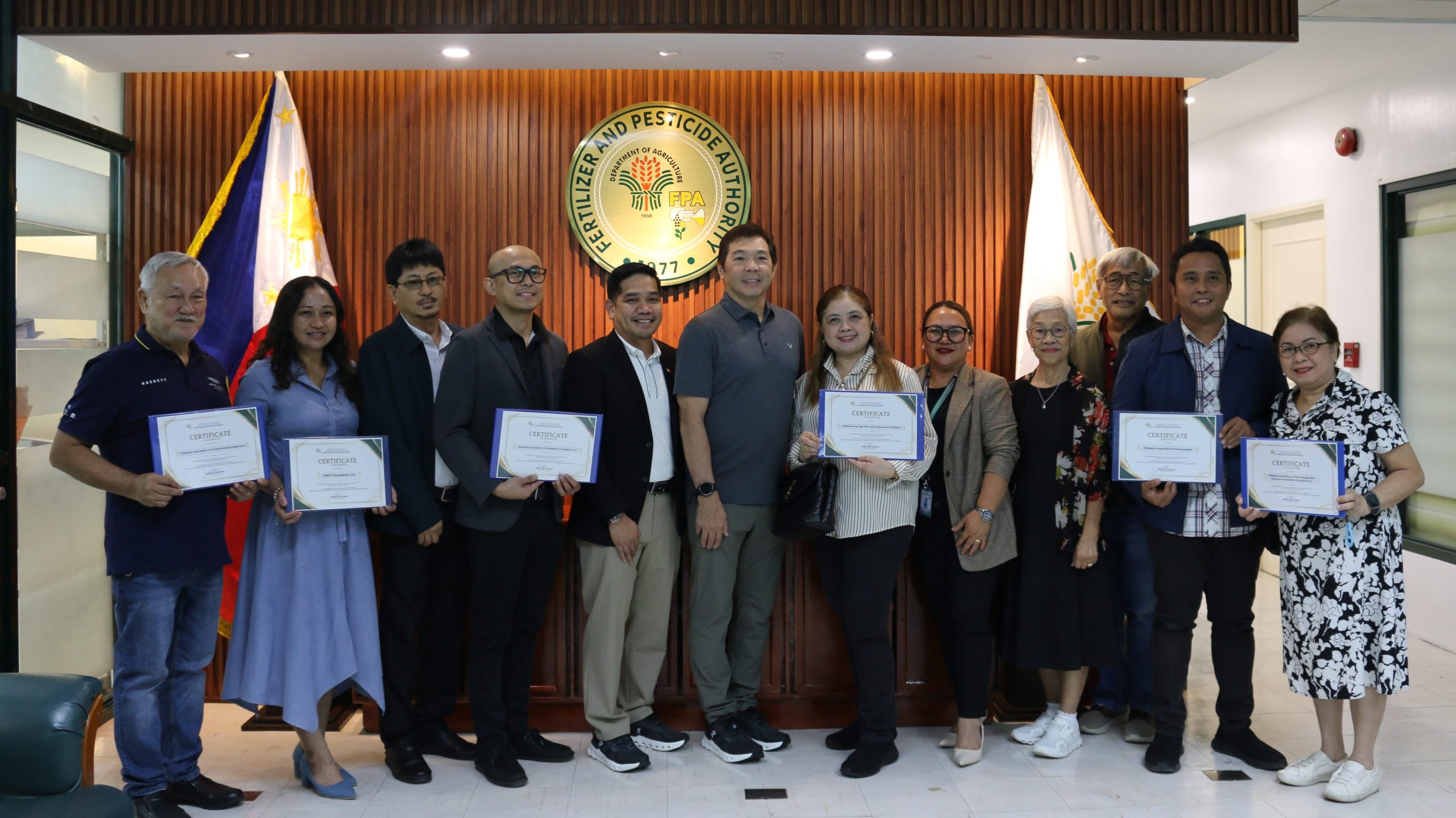

Quezon City | March 17, 2026 – The Fertilizer and Pesticide Authority (FPA), in partnership with the Anti-Red Tape Authority (ARTA), conducted Workshop 3 of its Process Improvement Series on March 16–17, 2026, at the University Hotel, University of the Philippines Diliman, Quezon City, to redesign and streamline the pesticide product registration process in preparation for full digitalization.
The two-day activity, titled “To-Be” Process Co-Designing, gathered FPA officials, ARTA technical experts, and external stakeholders to collaboratively develop an improved regulatory workflow that will support the future online pesticide product registration system. The initiative is part of FPA’s broader digital transformation agenda aimed at strengthening regulatory efficiency, transparency, and service delivery.
Strengthening a Core Regulatory Function
In her message, Maribel M. Querijero, Division Chief of the Pesticide Regulations Division (PRD), emphasized that pesticide product registration is one of FPA’s core regulatory mandates.
“Through this process, pesticide products are carefully evaluated to ensure compliance with standards for safety, quality, and efficacy. These standards serve as safeguards that protect farmers, consumers, and the environment while supporting agricultural productivity,” Querijero said.
She noted that the efficiency and reliability of the registration system directly affect both FPA operations and the experience of registrants and stakeholders.
Under the leadership of Glenn DC. Estrada, Executive Director III of FPA, the agency has identified ten key strategic initiatives to strengthen regulatory services and institutional capacity. Among these priorities is the digitalization of frontline regulatory services, including pesticide product registration.
However, Querijero stressed that digital transformation is not merely about introducing technology.
“One important lesson from digitalization initiatives is that technology cannot fix a fundamentally inefficient process. If we automate existing procedures without improving them, we risk transferring the same bottlenecks into a digital system,” she explained. “Before developing a digital platform, we must first understand and improve the process itself.”
From “As-Is” to “To-Be” Process
Workshop 3 builds on a series of earlier activities conducted in the first quarter of 2026.
The process began with a pre-workshop orientation, followed by a Stakeholders Workshop applying the Standard Cost Model (SCM) to estimate the administrative burden of the current pesticide registration process. The SCM exercise identified information requirements, time, and compliance costs associated with regulatory procedures.
Subsequently, FPA units participated in an “as-is” process mapping and analysis workshop, where the existing workflow was documented and evaluated. Participants examined each step and classified activities as value-adding, business value-adding, or non-value-adding, enabling the identification of bottlenecks, duplication, and opportunities for streamlining. The validated “as-is” process map now serves as the foundation for redesign.
Learning from Regional Best Practices
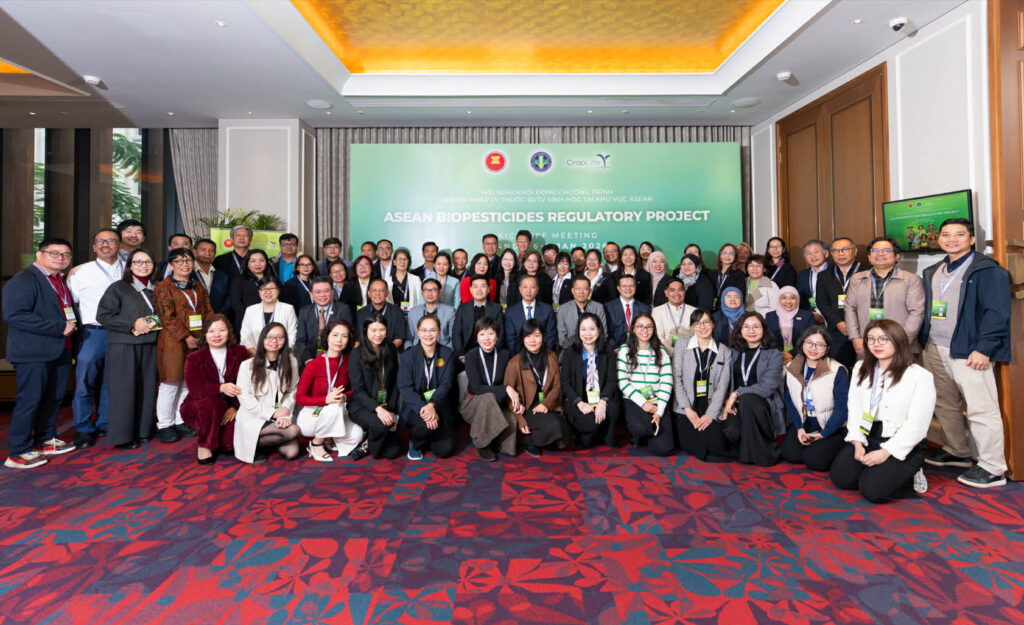
To inform the redesign process, the workshop featured presentations on ASEAN pesticide registration application digitization and online pesticide registration systems in India, Malaysia, and Indonesia. Industry representatives shared operational insights and lessons learned from implementing digital regulatory platforms in their respective countries.
ARTA representatives also presented the results of the Standard Cost Model and Problem Canvas analyses, highlighting key findings that will guide the reform process.
Co-Designing a More Efficient System
During the second day, participants engaged in collaborative mapping of the proposed “to-be” process. The session focused on identifying steps that genuinely add value, simplifying unnecessary activities, clarifying inter-unit coordination, and designing a workflow capable of supporting a future digital registration platform.
Querijero underscored the importance of collective participation in shaping reforms.
“Each unit brings valuable operational knowledge about how the system currently works. By bringing these perspectives together, we can design a process that works not just for one office, but for the entire regulatory system,” she said.
The workshop concluded with a synthesis of outputs and agreement on priority actions and next steps toward the development of the digital pesticide product registration system.
Once implemented, the digital system is expected to reduce administrative burden, improve processing time, enhance data management, and support a more productive and compliant pesticide industry.
_________________________________________________________
Fertilizer and Pesticide Authority (FPA) Online ISSN: 2815-1674
Published by the FPA Information and Communications Team