Category: Articles

  • FPA, DICT-CICC and PNP nab illegal online sellers of fertilizers and pesticides in Quezon City

    FPA, DICT-CICC and PNP nab illegal online sellers of fertilizers and pesticides in Quezon City

    Quezon City | January 15, 2026 – The Fertilizer and Pesticide Authority (FPA), in coordination with the Cybersecurity Investigation and Coordinating Center (CICC) of the Department of Information and Communications Technology (DICT) and the Philippine National Police (PNP), conducted a series of entrapment operations against illegal online sellers of fertilizers and pesticide products in Quezon City.

    The coordinated by-bust operations were carried out in several establishments located along Mindanao Avenue, Cubao, and Quezon City Circle, following weeks of cyber-monitoring and validation of online transactions involving unregistered and illegally marketed agricultural inputs.

    The operation resulted in the confiscation of 163 fertilizer products and 113 pesticide products amounting to Php 175,000 without the required FPA license to operate.

    FPA Executive Director Glenn Estrada lauded the strong inter-agency collaboration that led to the successful operations, noting that it reflects a whole-of-government approach in safeguarding farmers and the public from unsafe, unregulated agricultural inputs.

    “This operation shows that when government agencies work together, we can effectively protect our farmers, consumers, and the environment from the dangers posed by illegal fertilizers and pesticides being sold online,” Estrada said. “We will not allow unscrupulous sellers to undermine our regulatory system and endanger agricultural productivity and public safety.”

    Estrada also warned that more intensified entrapment operations will be conducted throughout the year as part of FPA’s stepped-up enforcement against online sellers who violate Presidential Decree No. 1144 (PD 1144) and other related laws, rules, and regulations governing the registration, distribution, and sale of fertilizers and pesticides.

    “This is only the beginning. We are sending a clear message to online sellers, handlers, and distributors: comply with FPA regulations or face the full force of the law,” he added.

    The operations form part of FPA’s newly launched enforcement campaign dubbed “Oplan Bistados” (Bantay Istrikto sa Teknolohiyang Abono at Pestisidyo sa Online Selling), which aims to strengthen the monitoring, investigation, and prosecution of illegal online trading of agricultural inputs.

    Under Oplan Bistados, FPA, together with DICT-CICC and the PNP, will continue to track suspicious online activities, conduct cyber-surveillance, and undertake on-the-ground enforcement actions to ensure that only FPA-registered, properly labeled, and safe fertilizers and pesticides are sold to the public.

    The FPA reminds farmers and buyers to purchase fertilizers and pesticides only from FPA-licensed dealers and to verify product registration and name of sellers and distributors through the FPA website to avoid unsafe, fake, or substandard products that may harm crops, human health, and the environment.

    Writer: FPA Information Section

    |

    _________________________________________________________

    Fertilizer and Pesticide Authority (FPA) Online ISSN: 2815-1674
    Published by the FPA Information and Communications Team
  • FPA strengthens fertilizer industry oversight through inspection mission in Iloilo and Cebu

    FPA strengthens fertilizer industry oversight through inspection mission in Iloilo and Cebu

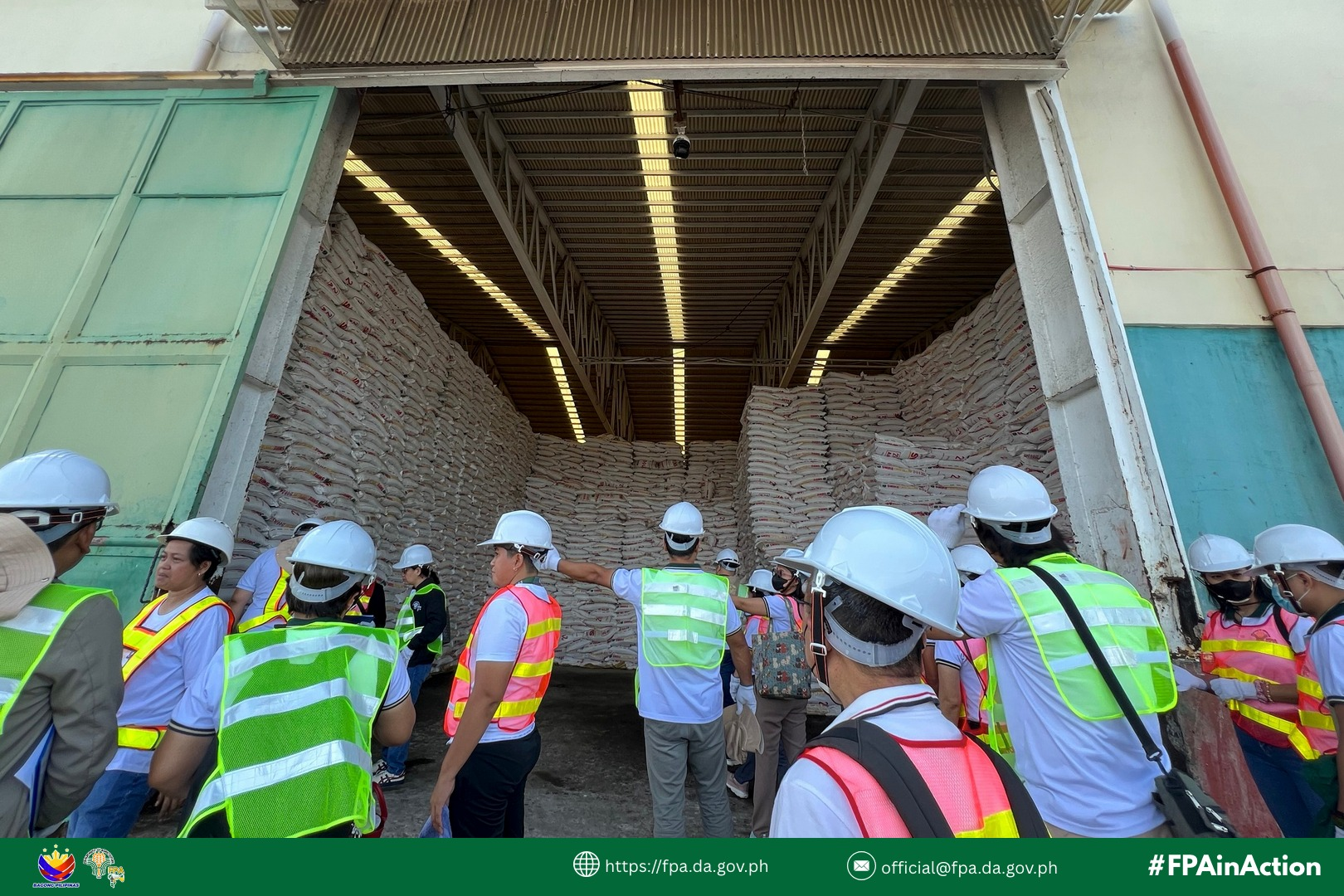
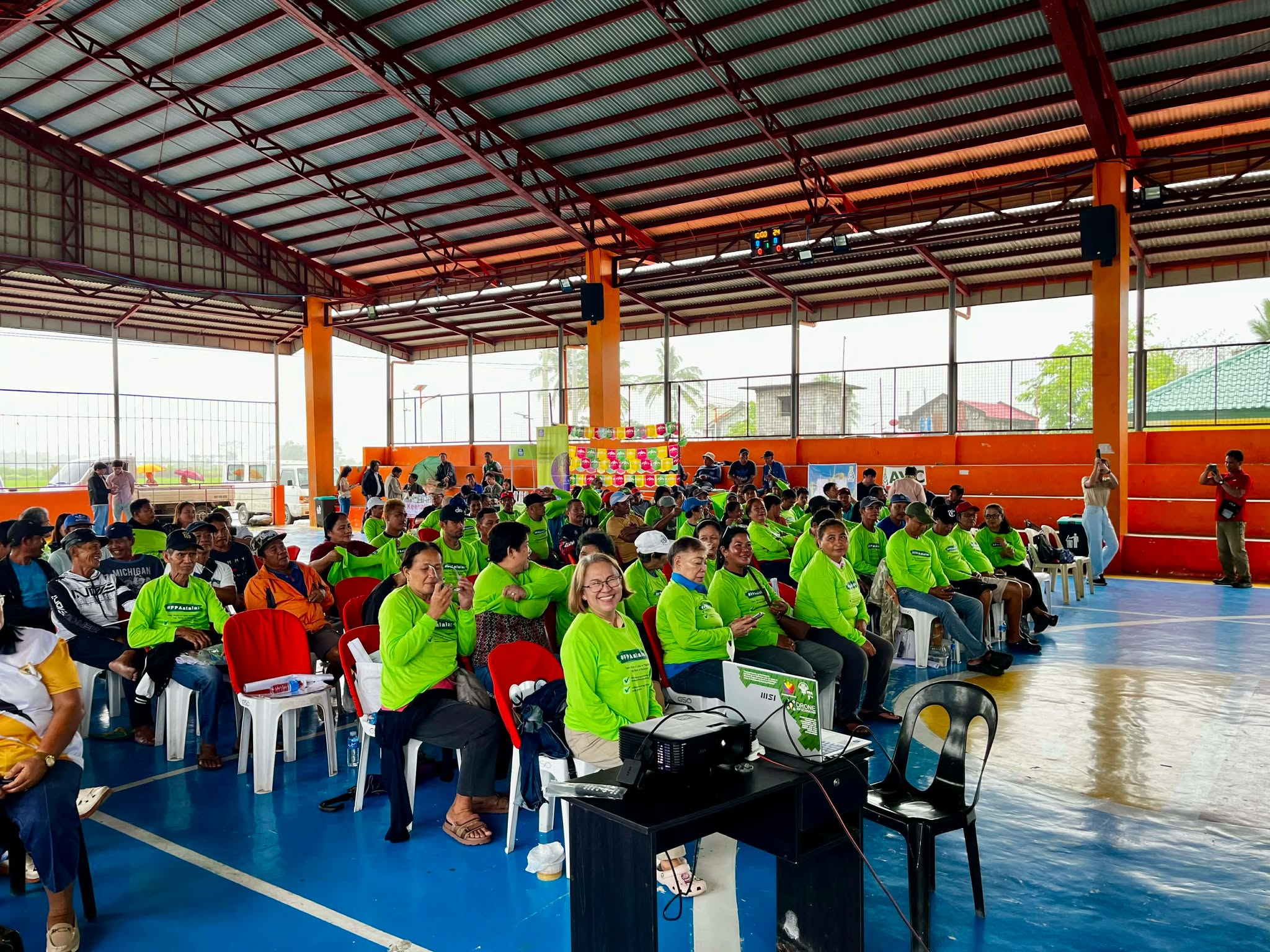
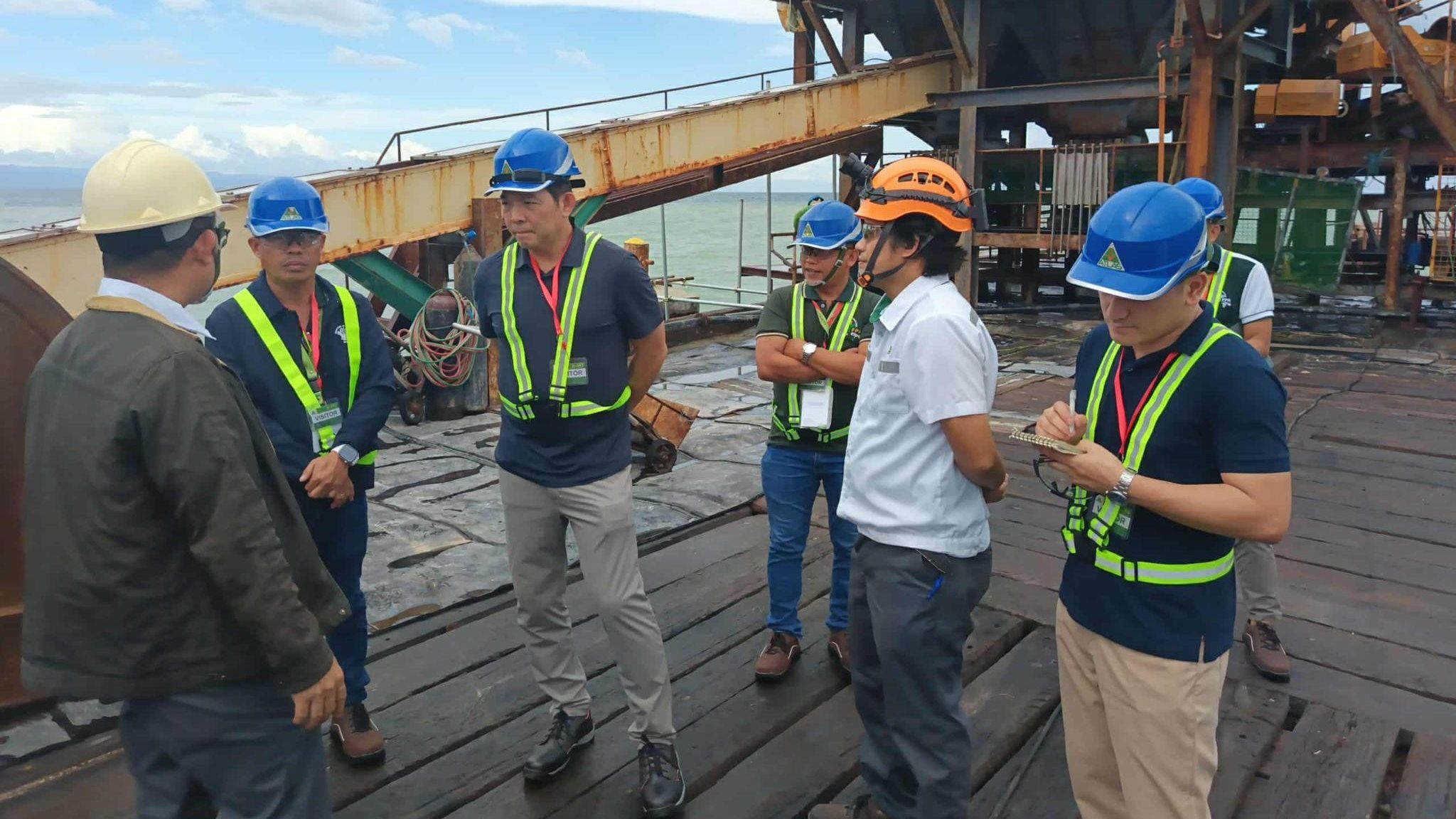
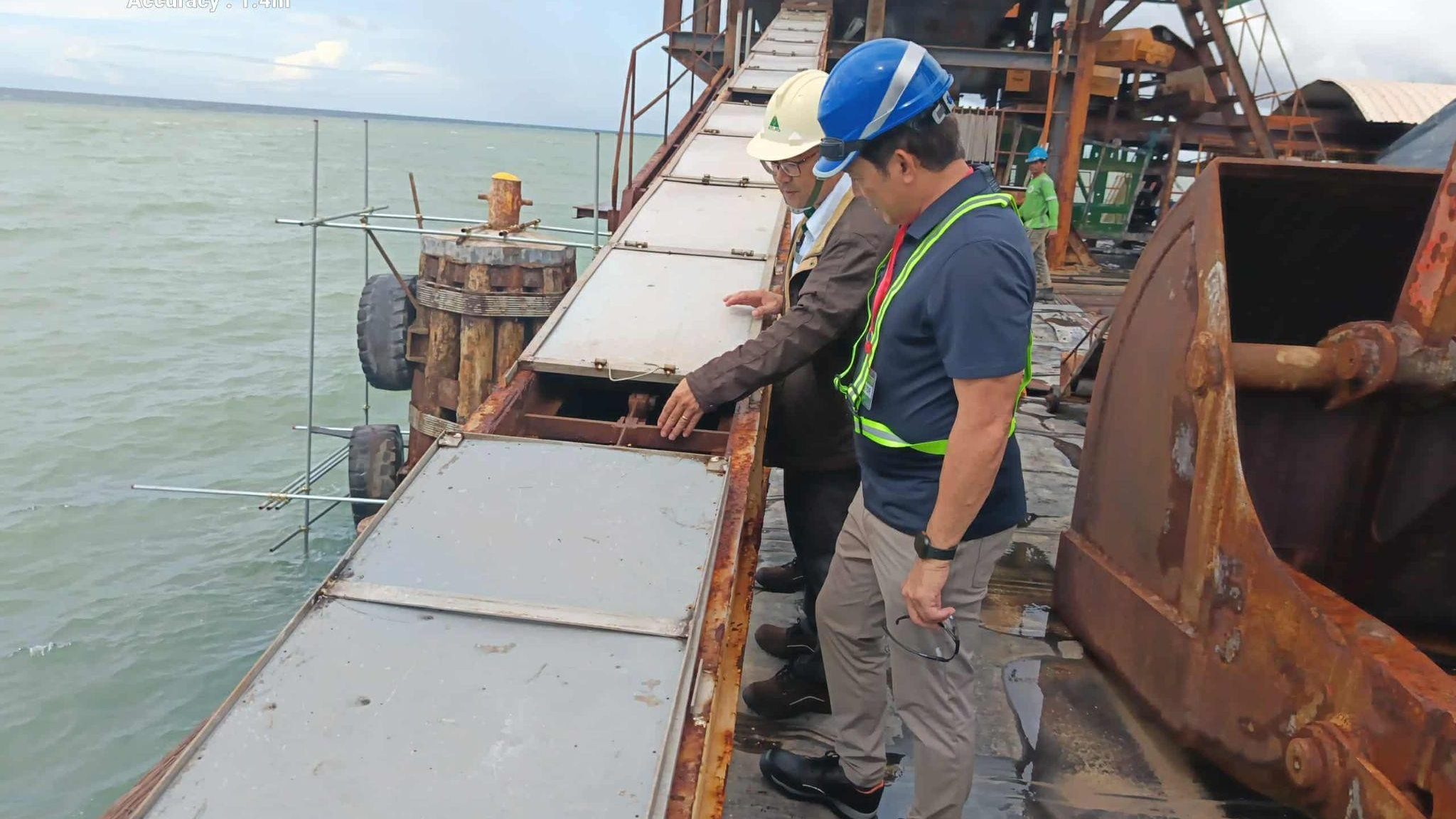
    November 21, 2025 | Cebu City – The Fertilizer and Pesticide Authority (FPA) conducted a three-day inspection and monitoring mission from November 17 to 19, 2025 across key fertilizer manufacturing plants, warehouses, and handlers in Regions VI and VII, specifically in Iloilo and Cebu, to reinforce compliance with regulatory standards and strengthen industry accountability.

    Led by OIC-Deputy Executive Director for Fertilizer Gerardo T. Santiago, the FPA team composed of personnel from the Fertilizer Regulations Division (FRD), the Field Operations Coordination Unit (FOCU), and the Regional Field Units (RFUs) VI and VII carried out on-site assessments of production operations, facility management practices, and distribution protocols used by fertilizer companies in the region.

    “Our goal is to ensure that every fertilizer product reaching farmers is handled, stored, and produced according to the highest safety and quality standards,” Deputy Director Santiago said. “These inspections are part of our continuing commitment to protect the agricultural sector through strict yet fair regulatory oversight.”

    Ensuring compliance and improving operations

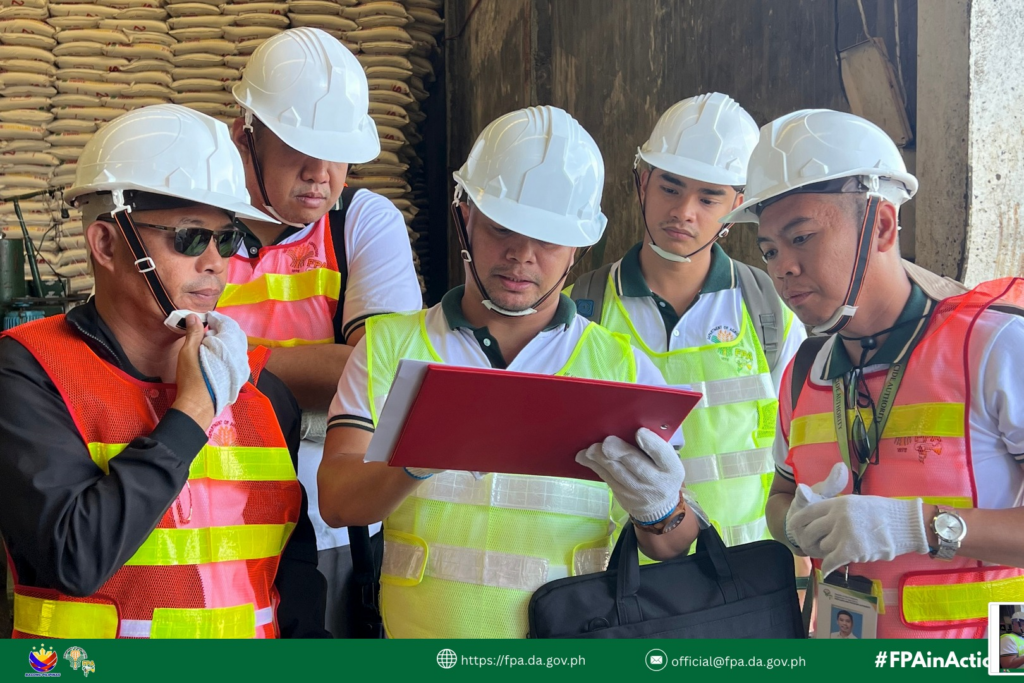
    The mission resulted in detailed assessments of fertilizer production processes, encompassing crushing, mixing, granulation, drying, screening, and bagging. Inspectors also verified the accuracy of fertilizer packaging through random weighing of 50-kilogram bags. Results showed weights ranging from 50.50 to 50.90 kilograms, well within acceptable regulatory limits and consistent with FPA standards.

    The FPA team documented operational concerns that may affect fertilizer quality and warehouse safety. These included the lack of pallets that exposed products to moisture, congested warehouse layouts that limited airflow, and inconsistent re-weighing practices in some manufacturing lines. 

    Director Santiago stressed that addressing these concerns is essential to maintaining high-quality agricultural inputs. “When we detect gaps early, we prevent bigger problems that could compromise fertilizer quality and ultimately impact farmers’ productivity,” he explained.

    In addition, the FPA conducted on-site technical guidance sessions to ensure that warehouse workers, plant supervisors, and handlers understand regulatory requirements and proper fertilizer management procedures. The team also met with Visayan Agricultural Innovation Incorporated (VAII) to clarify rules on fertilizer registration, licensing, and documentary compliance, all key elements in maintaining the integrity of the fertilizer supply chain in the Visayas Cluster.

    Another major output of the mission was the preparation of full inspection documentation, including compliance findings, risk assessments, and operational observations. These reports will inform future enforcement actions and guide ongoing policy development for fertilizer regulation in the Philippines.

    Key compliance recommendations for fertilizer manufacturers and warehouses

    Based on the findings, the FPA issued a series of recommendations to improve fertilizer industry compliance. Facilities were encouraged to enhance palletization to prevent moisture exposure and to adopt stricter housekeeping measures, such as improving ventilation and decluttering congested warehouses. Manufacturers were advised to follow consistent re-weighing procedures to ensure product uniformity and accuracy. The agency also urged companies to strengthen product stewardship systems for damaged or returned goods and reminded transport handlers to follow proper loading and unloading procedures to prevent losses and product damage during distribution.

    Deputy Director Santiago emphasized that fertilizer compliance is a shared responsibility among manufacturers, distributors, and handlers. “We expect companies to act on our recommendations promptly, not just to meet regulatory standards but to protect the integrity of the fertilizer supply chain and support our farmers,” he said.

    Towards improved fertilizer oversight nationwide

    The mission resulted in detailed inspection documentation, policy-relevant observations, and actionable recommendations for improving operations in the inspected facilities. It also strengthened collaboration between FPA regional offices and industry players, contributing to a more robust fertilizer regulatory environment.

    Deputy Director Santiago concluded: “By identifying gaps early and guiding our stakeholders towards compliance, we help build a safer, more reliable, and more efficient fertilizer industry, one that supports farmers and protects the nation’s food security.”

    The FPA will continue its nationwide inspection activities to ensure that fertilizer manufacturers, distributors, and handlers adhere to regulatory standards designed to protect both consumers and the environment.

    ###

    Writer: Ivan P. Lagay – Planning Officer IV

    |

    _________________________________________________________

    Fertilizer and Pesticide Authority (FPA) Online ISSN: 2815-1674
    Published by the FPA Information and Communications Team
  • FPA SOCCSKSARGEN strengthens agrochemical safety through ASD training

    FPA SOCCSKSARGEN strengthens agrochemical safety through ASD training

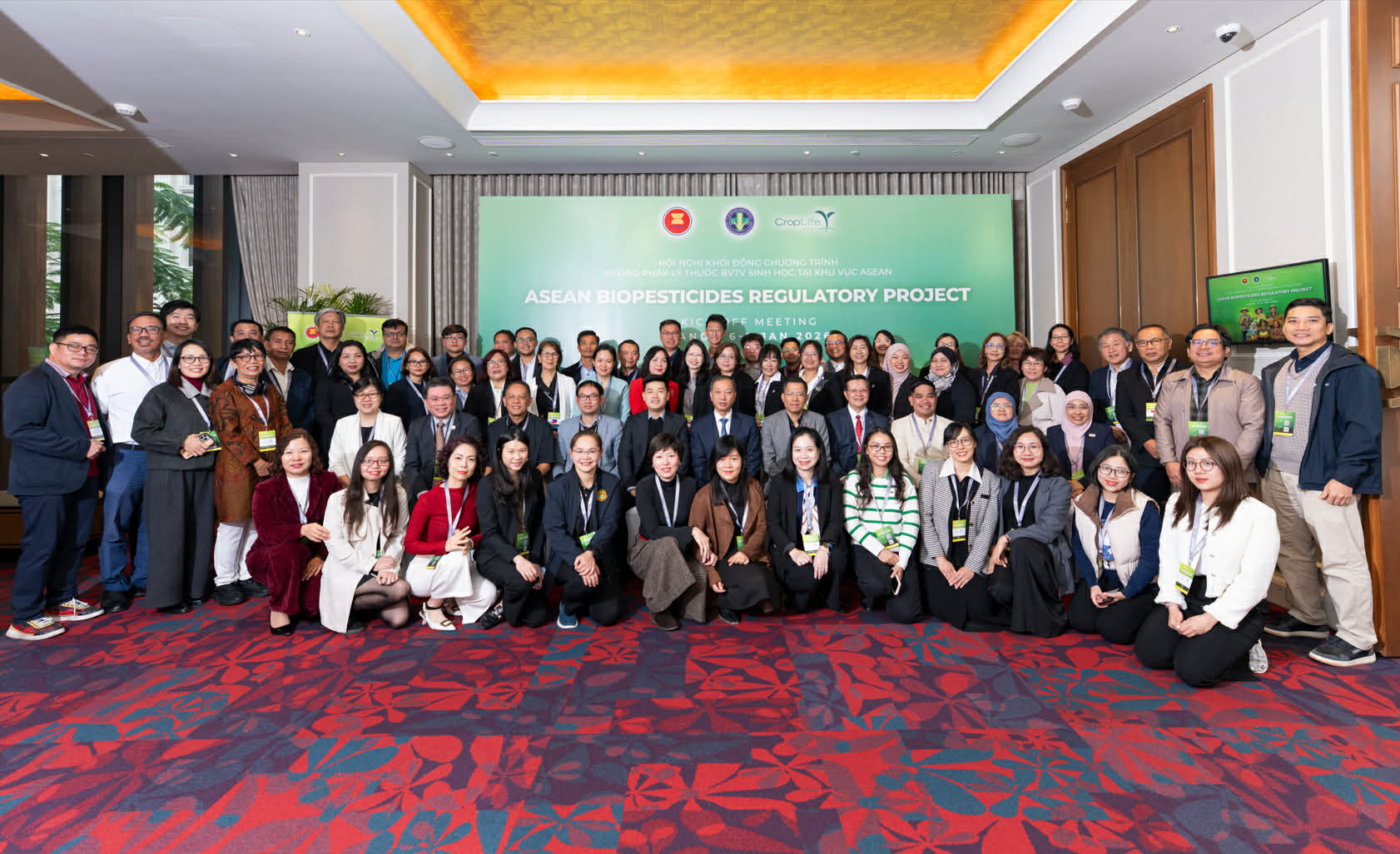
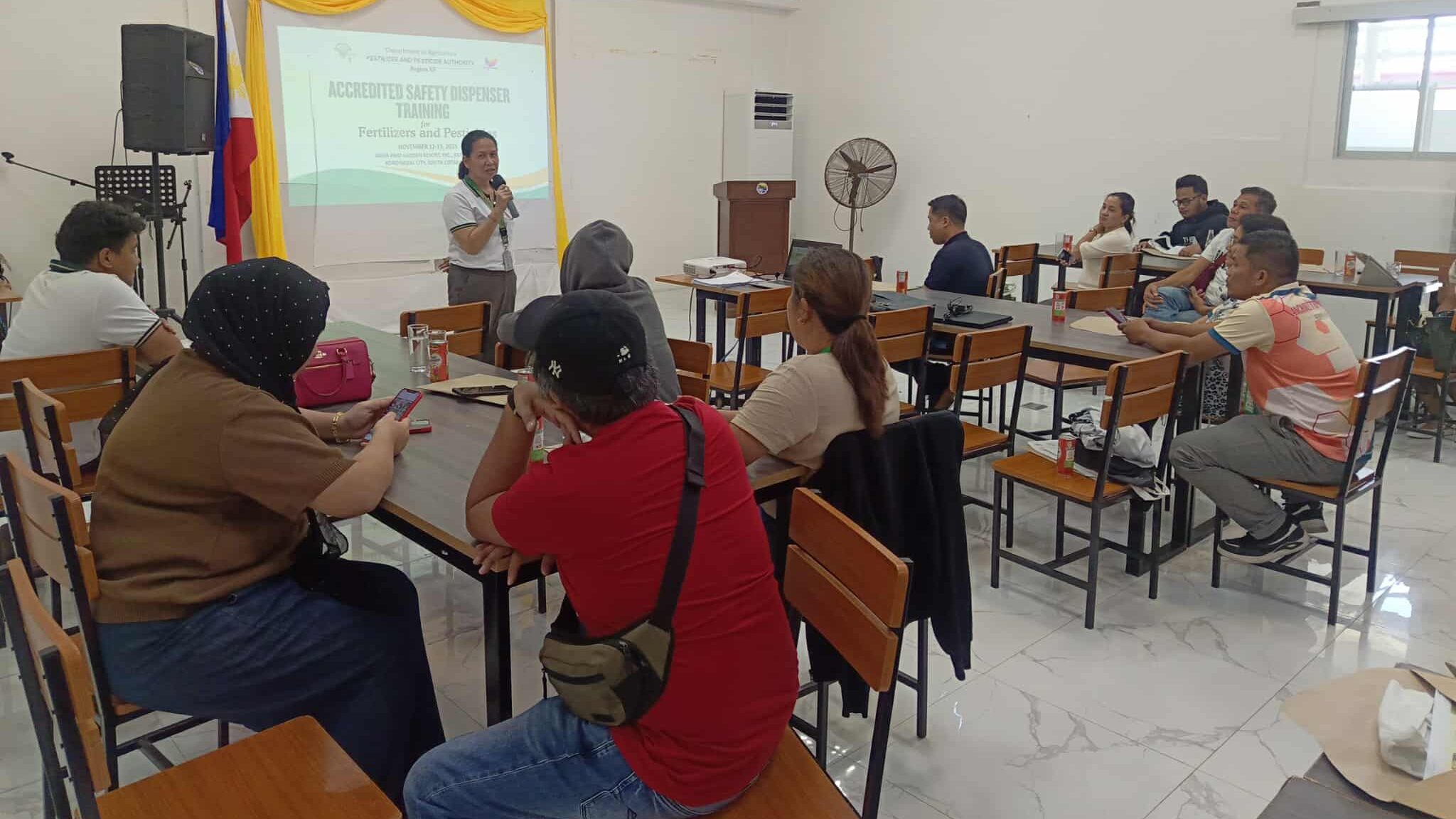
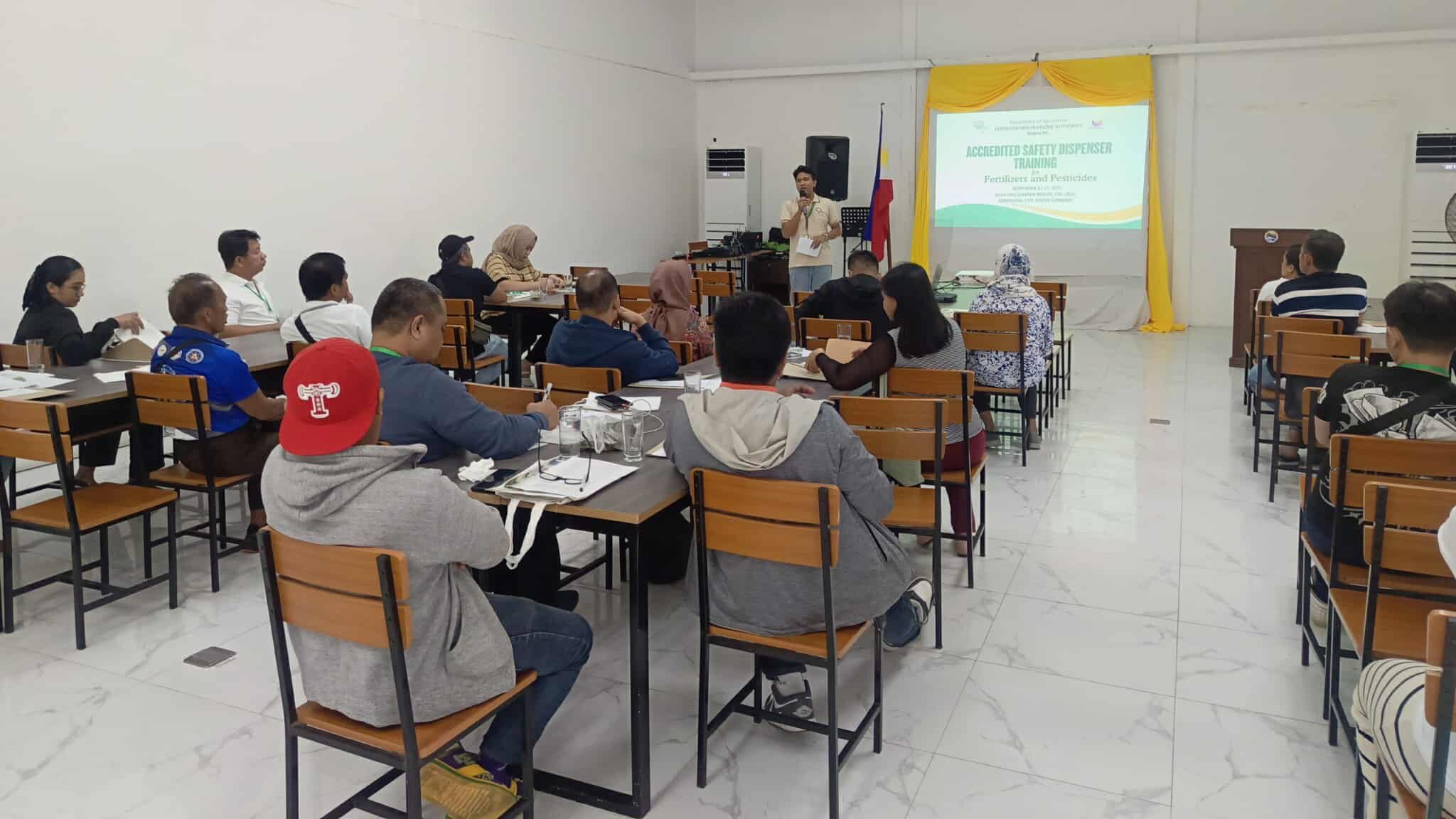
    November 16, 2025 | Koronadal, South Cotabato – Thirty-one (31) dealers, and traders from SOCCSKSARGEN and BARMM completed the Accredited Safety Dispenser (ASD) Training conducted by the Fertilizer and Pesticide Authority (FPA) Region XII on November 12–13, 2025, at Agua Frio Garden Resort, Koronadal City.

    The two-day training covered the FPA mandate, safe pesticide handling, emergency response, Integrated Pest Management (IPM), soil fertility, fertilizer classifications, and proper storage practices. Discussions highlighted how responsible product handling directly supports crop productivity and environmental protection.

    The activity emphasized that incidents such as poisoning, misuse, and contamination are preventable through proper knowledge and compliance. Participants were equipped with the essential skills to manage fertilizers and pesticides safely, reducing risks to human health and the environment.

    FPA SOCCSKSARGEN encourages participants to apply the training by improving store facilities, ensuring proper storage, using protective equipment, and educating farmers and other stakeholders. ###

    Writers: Joey B. Pascua- Agriculturist II
    Kimberly Gem A. Apostol- Agriculturist II

    |

    _________________________________________________________

    Fertilizer and Pesticide Authority (FPA) Online ISSN: 2815-1674
    Published by the FPA Information and Communications Team
  • FPA SOCCSKSARGEN strengthens compliance on agri-input safety

    FPA SOCCSKSARGEN strengthens compliance on agri-input safety

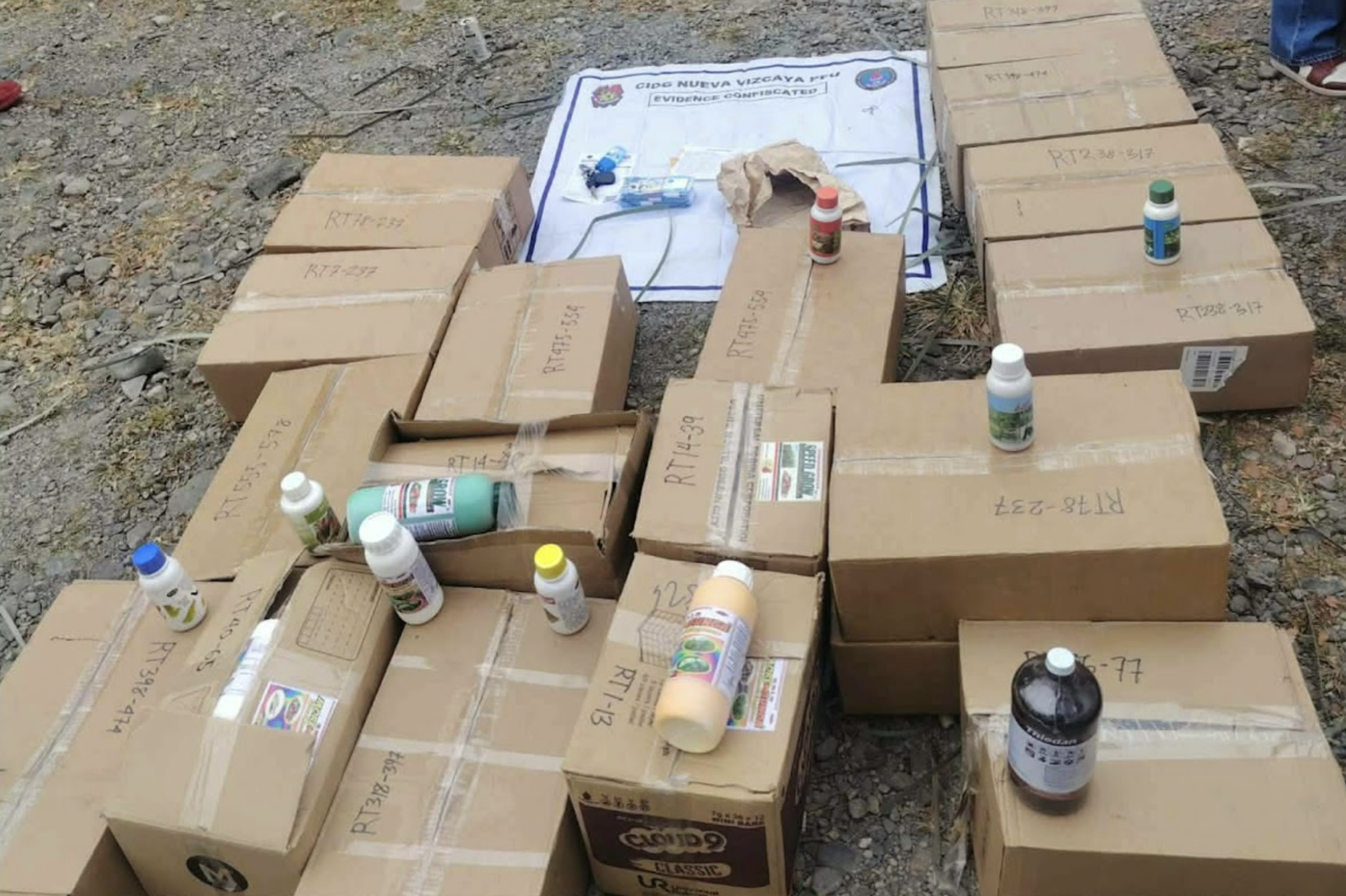
    October 28, 2025 | Koronadal City, South Cotabato – The Fertilizer and Pesticide Authority (FPA) Regional Office SOCCSKSARGEN conducted a four-day Clean-Up Drive Operation and Occupational Health and Safety Inspection on October 21–24, 2025, in General Santos City and Sarangani Province. The activity is part of the Agency’s continuing efforts to ensure the safe, lawful, and responsible management of fertilizers and pesticides across the region.

    Ensuring Compliance and Safety

    The inspection team assessed 34 establishments, including fertilizer and pesticide dealers, warehouses, and institutional users, for compliance with product registration, dealer licensing, and occupational safety standards. A total of 124 fertilizer and 154 pesticide products were also monitored for label authenticity, registration validity, and quality through random weighing and sampling.

    The inspection revealed the following:

    • 10 unlicensed dealers operating without FPA authorization and Accredited Safety Dispensers (ASDs);
    • 1 dealer with expired and improperly stored fertilizers;
    • 19 compliant dealers adhering to all licensing and safety requirements;
    • 3 warehouses subjected to Risk Appraisal Assessments; and
    • 2 institutional users evaluated for Occupational Health and Technical Safety practices.

    Enforcement and Corrective Actions

    Notices of Violation (NOVs) were issued to non-compliant establishments, directing them to address deficiencies and participate in the Accredited Safety Dispenser (ASD) training on November 12–13, 2025, in Koronadal City.

    Corrective measures were also recommended, including the installation of emergency eyewash stations, improvement of chemical storage facilities, and other interventions to strengthen workplace safety and compliance.

    Provincial Officer Joey B. Pascua encouraged full cooperation from stakeholders, stating that all dealers participate in the ASD training and implement the necessary corrective measures. 

    He emphasized FPA remains a partner in helping establishments comply and operate responsibly.

    Commitment to Sustainable and Safe Agriculture

    Regional Officer Maricel P. Tabigue highlighted the importance of proactive field monitoring and safety inspections in promoting a culture of compliance.

    “Through proactive monitoring and safety inspections, we ensure that our dealers and users uphold standards that protect both farmers and the environment. Compliance is not just a regulatory duty—it’s a shared commitment toward sustainable agriculture,” she said.

    The activity underscored the FPA’s commitment to promoting responsible agricultural input management and ensuring the welfare of farmers, consumers, and the environment. ###

    Writers: Joey B. Pascua – Agriculturist II; Nikko B. Tuscano – Agriculturist I

    |

    _________________________________________________________

    Fertilizer and Pesticide Authority (FPA) Online ISSN: 2815-1674
    Published by the FPA Information and Communications Team
  • FPA Bicol spearheads hands-on training on compost production in Sorsogon and Albay

    FPA Bicol spearheads hands-on training on compost production in Sorsogon and Albay

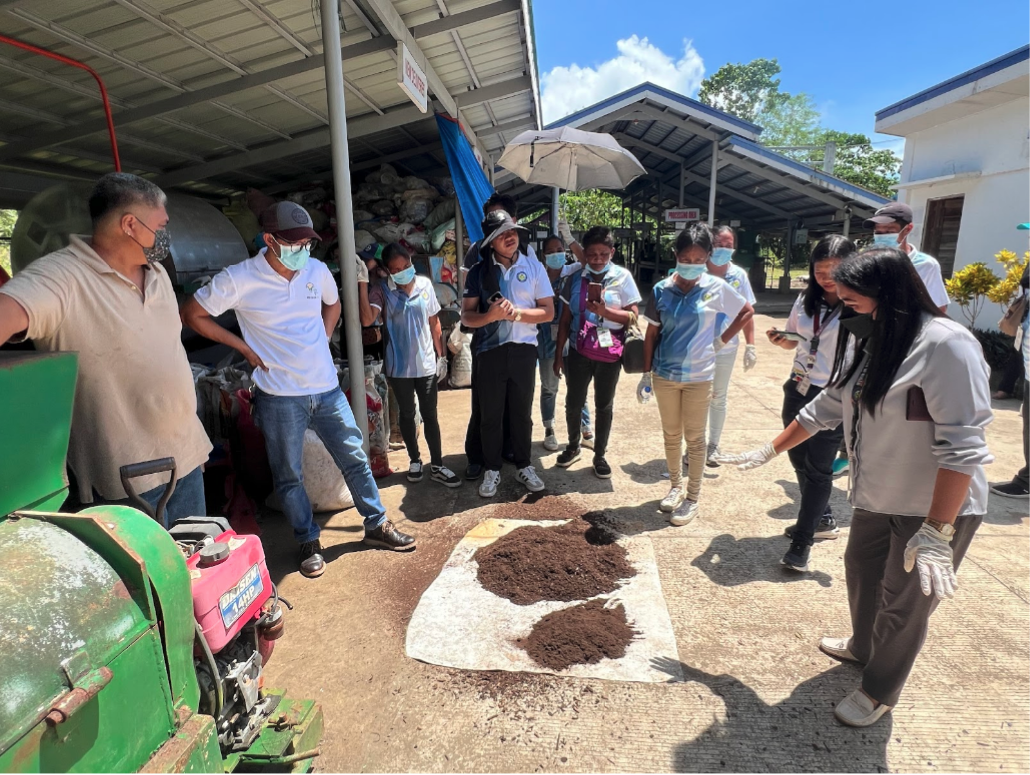
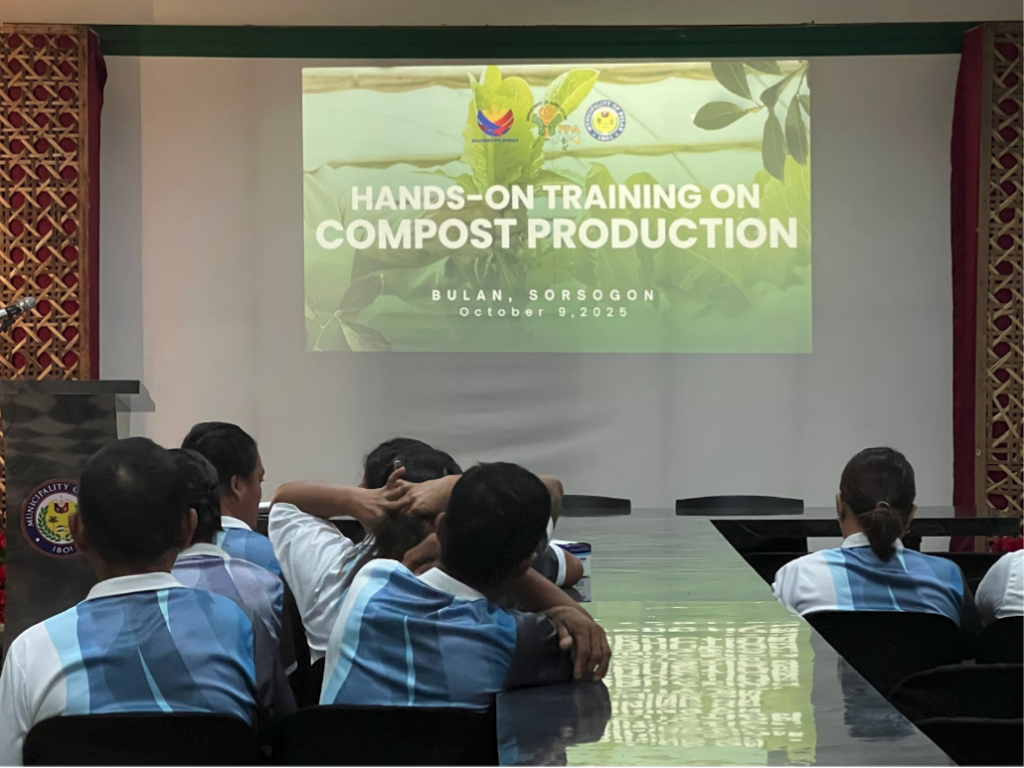
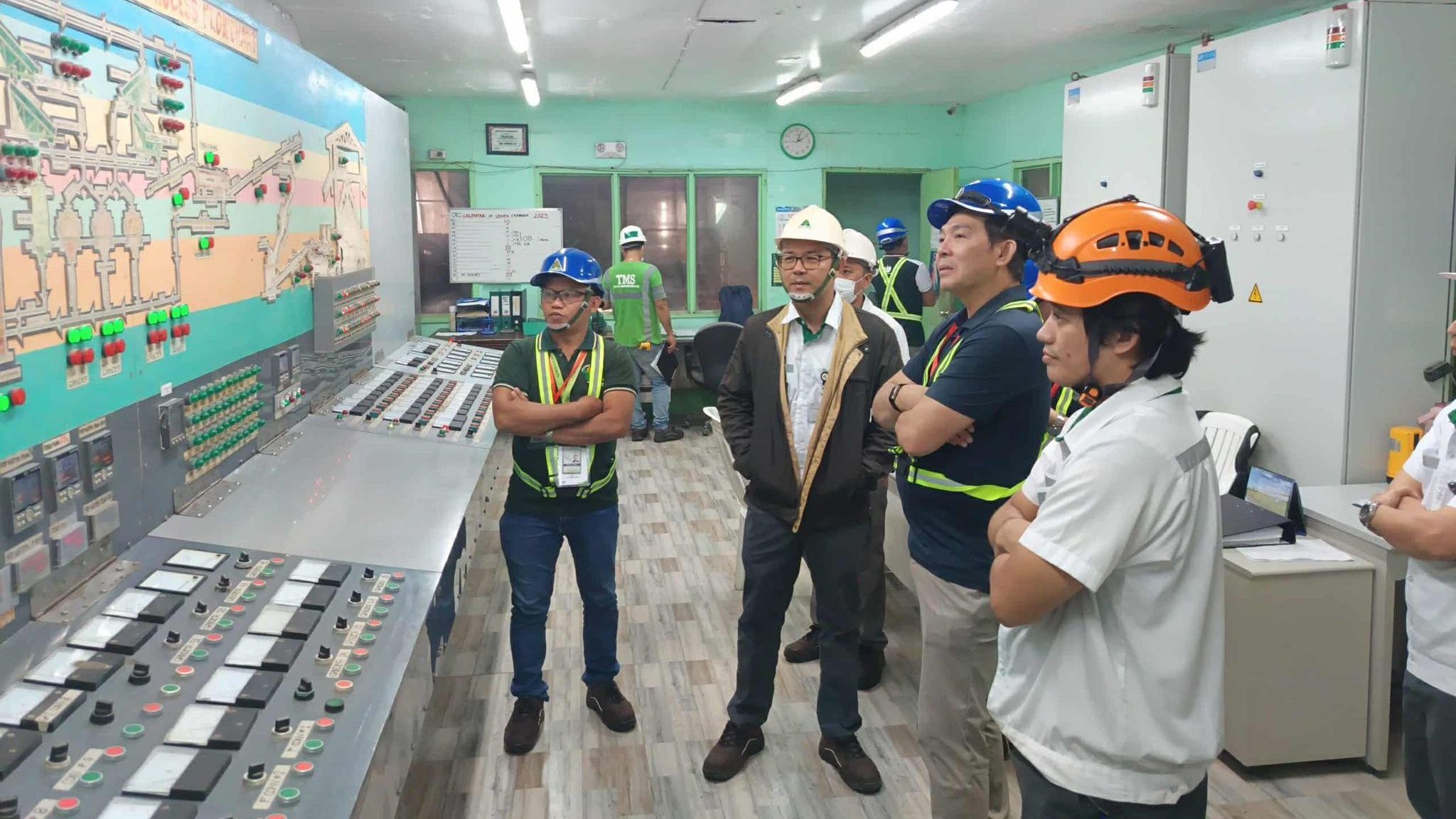
    October 9, 2025 | Bicol Region — The Fertilizer and Pesticide Authority (FPA) Regional Field Unit V spearheaded a series of Hands-On Training on Compost Production in the municipalities of Bulan, Sorsogon and Polangui, Albay on October 8 and 9, 2025, respectively. 

    Both LGUs are beneficiaries of FPA’s Composting Facilities for Biodegradable Wastes (CFBW) Program. The activity aimed to equip farmer-beneficiaries and local government personnel with practical knowledge and skills in producing quality compost from biodegradable wastes using said technologies.

    The training was held in partnership with the Municipal Environment and Natural Resources Offices (MENRO) and the Municipal Agriculture Offices (MAO) of the two municipalities. Around 35 participants joined the Bulan training, while 15 participants took part in the Polangui session.

    Engr. Ara San Pascual from the Bureau of Soils and Water Management (BSWM) Bicol Region served as resource person for both of the sessions. She discussed the components of the CFBW Program, the proper methods of composting. Participants engaged in hands-on exercises that demonstrated step-by-step compost production techniques using the CFBW.

    According to the FPA, the activity supports the Department of Agriculture’s (DA) advocacy for sustainable and environment-friendly farming practices through the establishment and utilization of Composting Facilities for Biodegradable Wastes (CFBW). It also forms part of the agency’s continuing efforts to promote Balanced Fertilization Strategy (BFS) and reduce dependence on synthetic fertilizers.

    |

    _________________________________________________________

    Fertilizer and Pesticide Authority (FPA) Online ISSN: 2815-1674
    Published by the FPA Information and Communications Team
  • FPA reinforces commitment to continuous improvement through risk and opportunity management and root cause analysis trainings

    FPA reinforces commitment to continuous improvement through risk and opportunity management and root cause analysis trainings

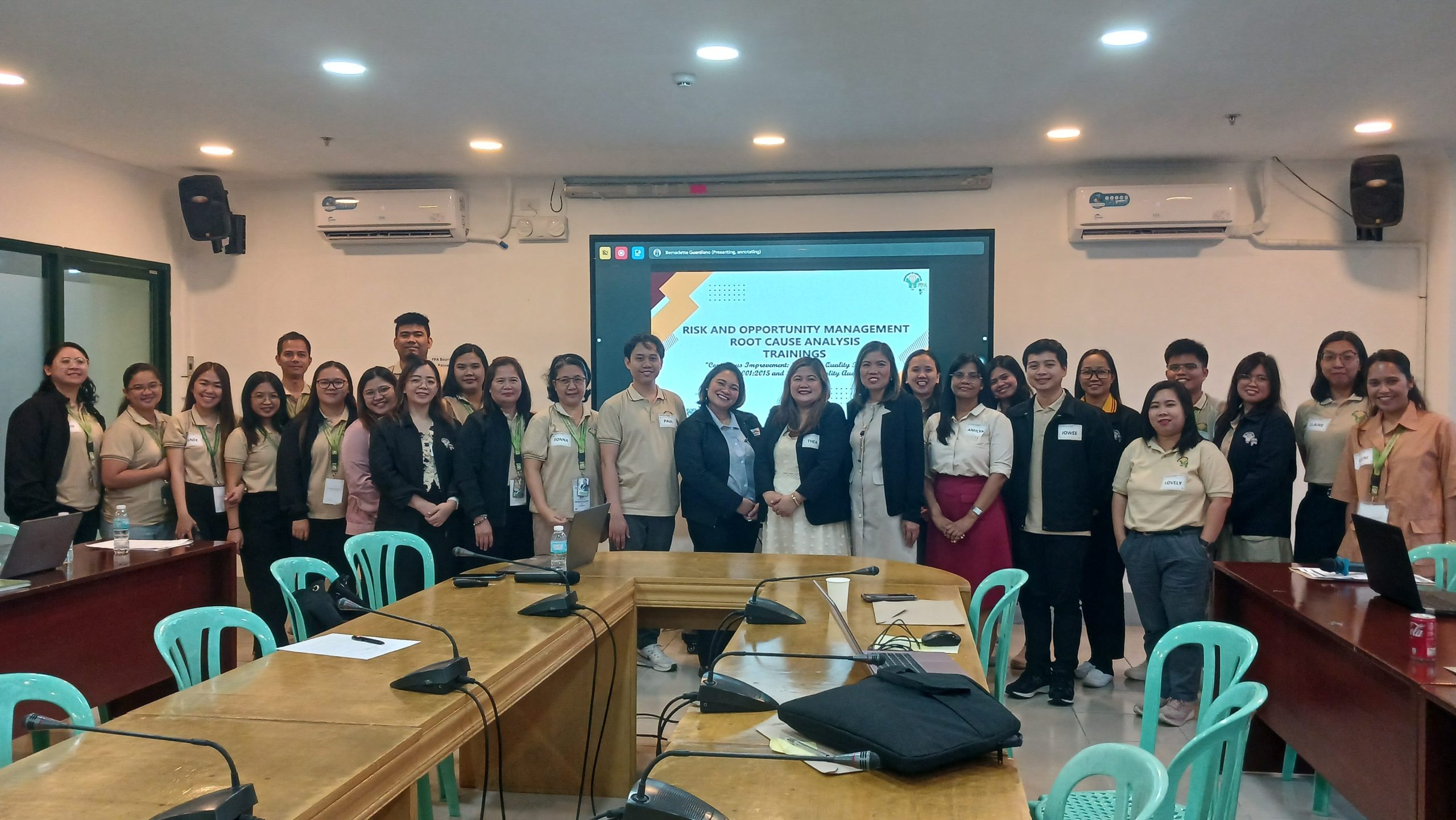
    October 06, 2025 | Quezon City – The Fertilizer and Pesticide Authority (FPA) reinforced its commitment to quality, accountability, and continuous improvement through a series of specialized trainings in September 2025, focusing on Risk and Opportunity Management and Root Cause Analysis (RCA) under the ISO 9001:2015 Quality Management System (QMS).

    Organized by the FPA QMS Committee and the Management Section of the Planning, Management and Information Division (PMID), the sessions were facilitated by Engr. Jaymie Catibayan of Quality Plus Management Consulting Co. A total of 70 employees participated—face-to-face for Central Office staff and virtually for personnel from the regional field units—ensuring broad engagement across the agency.

    Risk and Opportunity Management

    Held on September 24–25, 2025, the training on ISO 9001:2015 Risk and Opportunity Management guided FPA personnel in identifying, evaluating, and addressing factors that could affect the quality of the agency’s products, services, and processes.

    Engr. Catibayan discussed the distinction between Risk Analysis—the process of identifying potential events or conditions that may hinder objectives—and Risk Evaluation, which involves comparing the level of risk against set criteria to determine its significance and priority.

    She introduced the Risk Treatment Plan, a structured approach for managing identified risks to minimize adverse impacts or enhance positive outcomes. Treatment strategies include reduction, transfer, avoidance, elimination, acceptance, and in some cases, increasing the risk when it offers potential benefits. Each plan must identify the responsible unit, required resources, timeline, and monitoring mechanism.

    While risk management focuses on mitigating threats, Engr. Catibayan underscored that Opportunity Management aims to harness positive changes for innovation and service improvement. She cited examples such as process modernization and regulatory streamlining that enhance compliance and operational efficiency.

    During workshops, participants identified potential agency risks, formulated treatment plans, and determined opportunities for innovation and improved public service delivery.

    Through this training, the FPA reaffirmed its proactive approach to quality assurance—anticipating challenges, leveraging opportunities, and sustaining efficiency and stakeholder responsiveness.

    Root Cause Analysis

    Continuing its capacity-building efforts, the FPA conducted a training on Root Cause Analysis on September 30, 2025, also facilitated by Engr. Catibayan. The session emphasized the difference between Correction—the immediate remedy for a nonconformity—and Corrective Action, which eliminates the underlying cause to prevent recurrence.

    Participants learned to apply evidence-based tools such as the 5 Whys, Fishbone (Ishikawa) Diagram, and Pareto Analysis to identify true process failures. Techniques like the Decision Matrix and Force Field Analysis were also introduced for evaluating and implementing effective corrective actions.

    Using insights from internal audits conducted earlier in the year, participants practiced RCA on actual agency processes. The exercise strengthened their ability to resolve issues systematically and uphold ISO 9001:2015 standards for operational efficiency and accountability.

    Commitment to Quality and Continuous Improvement

    The FPA’s pursuit of excellence goes beyond compliance. By integrating risk management, opportunity development, and root cause analysis, the agency continues to build a culture of accountability, learning, and continuous improvement.

    Each initiative reinforces the FPA’s mission to deliver efficient, transparent, and high-quality public service—advancing its mandate to ensure the safe, judicious, and sustainable use of fertilizers and pesticides across the country.

    Writer: Wendycharlene Almasen

    |

    _________________________________________________________

    Fertilizer and Pesticide Authority (FPA) Online ISSN: 2815-1674
    Published by the FPA Information and Communications Team
  • FPA, industry partners conduct “Baylo Basyo” stewardship programs in Iloilo and Cebu

    FPA, industry partners conduct “Baylo Basyo” stewardship programs in Iloilo and Cebu

    October 03, 2025 | Quezon City – The Fertilizer and Pesticide Authority (FPA), in partnership with local industry associations, successfully carried out back-to-back “Baylo Basyo” stewardship programs in Iloilo and Cebu on September 18 and September 25, 2025 respectively. The initiative aimed to strengthen awareness on safe disposal of hazardous pesticide waste on farmers in both provinces.

    The “Baylo Basyo” was a collaborative undertaking of the FPA and its regional offices, Department of Agriculture (DA) and its regional offices, the Municipal Agriculture Offices (MAO) and Municipal Environment and Natural Resources Offices (MENRO) of each province, and the industry associations such as Crop Protection Association of the Philippines (CPAP), CropLife Philippines, the Cebu Agrochemical Technical Association (CATA), and the Fertilizer and Pesticide Industry Association (FPIA). Through the program, farmers were encouraged to return used pesticide containers for proper collection and disposal, while also participating in lectures and discussions on FPA mandates, safety standards, and responsible pesticide use.

    The FPA reported that the Iloilo leg of the program, held in Pototan, collected 386 kilograms of surrendered pesticide containers, while the Cebu activity in Mantalongon gathered 171.5 kilograms. All collected materials will be turned over to accredited disposal facilities to ensure compliance with environmental and health safety protocols.

    FPA Executive Director Glenn DC. Estrada emphasized that the stewardship program not only reduces farmers’ direct exposure to harmful chemicals but also safeguards surrounding communities and ecosystems.

    Sa pamamagitan ng pagsunod sa tamang pamamaraan ng paggamit at pagtatapon ng mga basyong ito hindi lamang natin napoprotektahan ang ating sarili at pamilya mula sa mapanganib na exposure, kundi nakatutulong din tayong mapanatiling malinis ang lupa, tubig, at hangin para sa mga susunod na henerasyon,” Dir. Estrada said.

    Industry partners also underscored that initiatives like “Baylo Basyo” play a vital role in fostering shared accountability among pesticide handlers, operators, and manufacturers. CropLife, CATA, and FPIA—composed of local business owners, practitioners, and technical experts—reaffirmed their commitment to advancing environmental stewardship and supporting the regulatory framework of the FPA.

    The “Baylo Basyo” program is a longstanding initiative of the FPA and its partner stakeholders, designed to promote responsible pesticide management, prevent environmental pollution, and strengthen public awareness on chemical safety. With continued collaboration between government and industry, the program aims to sustain safer farming practices and a healthier environment for future pesticide handlers and operators.

    |

    _________________________________________________________

    Fertilizer and Pesticide Authority (FPA) Online ISSN: 2815-1674
    Published by the FPA Information and Communications Team
  • FPA Cagayan Valley reaches 705 farmers in Isabela, Nueva Vizcaya for the Drones4Rice information caravan

    FPA Cagayan Valley reaches 705 farmers in Isabela, Nueva Vizcaya for the Drones4Rice information caravan

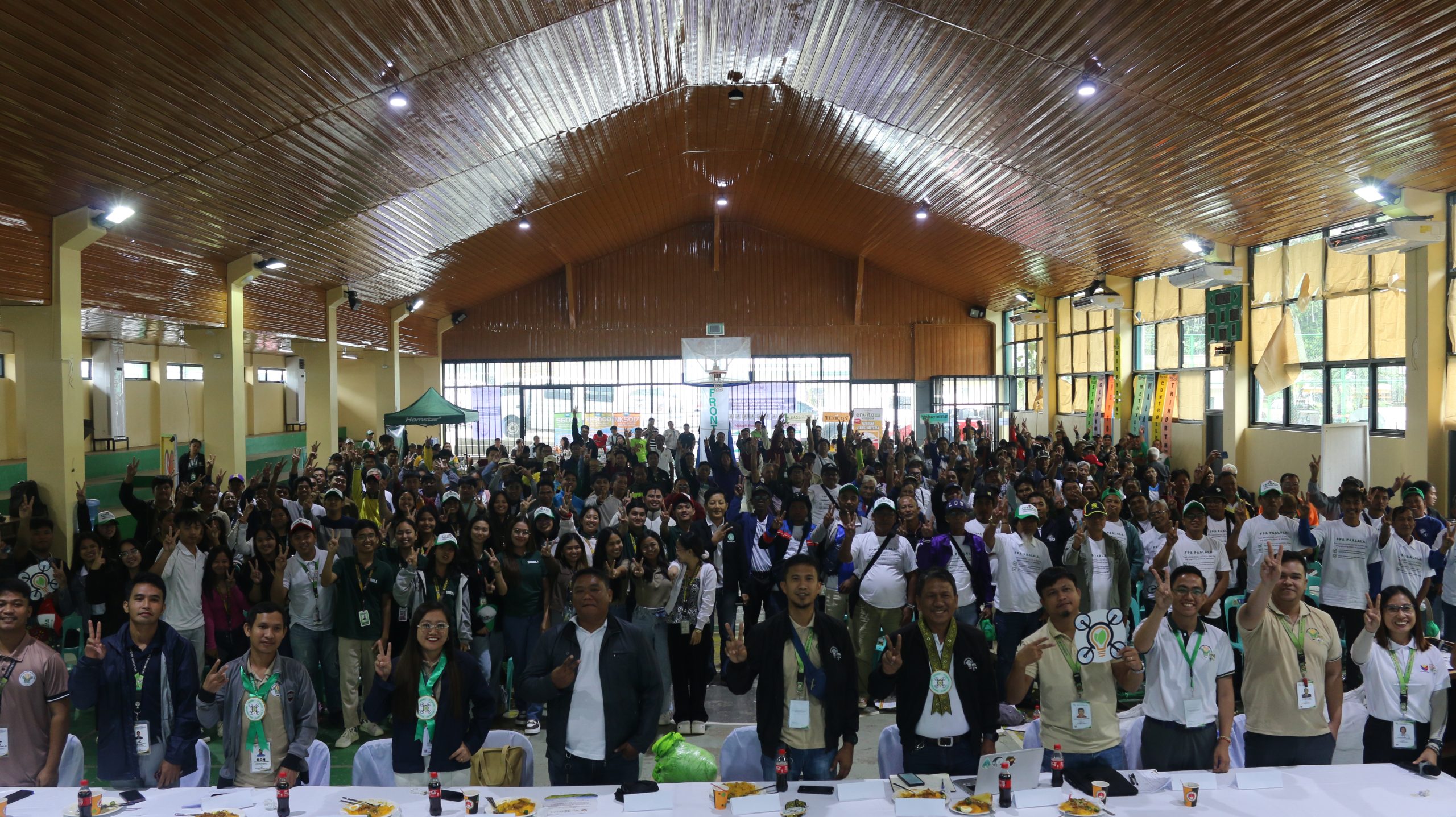
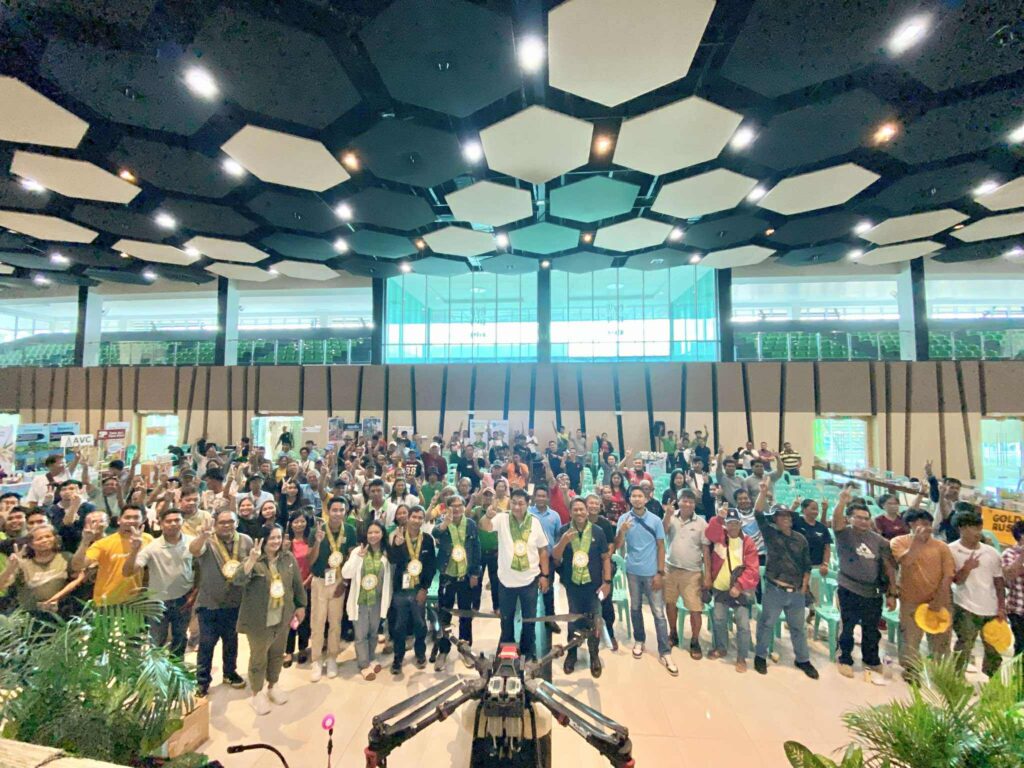
    September 2025 | Cagayan Valley – The Fertilizer and Pesticide Authority (FPA) Regional Field Unit 2 – Cagayan Valley successfully conducted two information caravans on the safe and responsible use of fertilizers and pesticides through drone application. 

    The first caravan was held on September 17, 2025 in Minante I, Cauayan City, Isabela with 355 participating farmers and stakeholders, while the second caravan took place on September 23, 2025 in Bayombong, Nueva Vizcaya, with 350 participants.

    Organized by FPA Cagayan Valley with support from local government units (LGUs), the Department of Agriculture (DA) Regional Field Offices, and the National Rice Program (NRP), the caravans featured live drone demonstrations, technical lectures, and consultations showcasing the practical benefits of agricultural drones in rice farming.

    Cagayan Valley, widely recognized as the “Rice Bowl of the North,” remains one of the country’s top producers of rice and corn. Its fertile soil, favorable climate, and abundant river systems sustain the region’s vast farmlands, making it an ideal area for the adoption of precision agriculture. 

    The use of agricultural drones is expected to further enhance efficiency in crop care, optimize input utilization, and strengthen the region’s role as a major food basket of the Philippines.

    Ngayong caravan na ito, nagpapasalamat ako sa Fertilizer and Pesticide Authority at sa tulong ng iba’t ibang ahensya para ipalaganap itong drone natin,” said Dr. Marvin Luis of the DA Regional Office. 

    He underscored the importance of research collaborations with the International Rice Research Institute (IRRI), Philippine Rice Research Institute (PhilRice), and other partners in comparing the outcomes of traditional farming methods with drone-assisted approaches.

    Meanwhile, Engr. Edgar Allan Marquez of Isabela State University’s College of Engineering emphasized the significance of exposing students to advanced technologies. 

    Magandang pagkakataon itong information caravan para sa ating mga estudyante na naririto ngayon, mga future scientists, innovators, at agricultural engineers, na makita at maranasan ang makabagong teknolohiya na magsisilbing inspirasyon upang maki-bahagi sa pag-unlad ng agrikulturang Pilipino,” he said. 


    Agricultural drones are increasingly being recognized as game-changing tools in modern farming. They allow for faster, safer, and more cost-efficient application of seeds, fertilizers, and pesticides, while minimizing environmental impact and reducing health risks for farmers. 

    The Drones4Rice Information Caravan, first introduced in 2024 by the DA–NRP in SOCCSKSARGEN and Central Luzon, continues to expand nationwide, with additional information caravans scheduled in the coming months. ###

    Writer: Maricris Ferrer

    |

    _________________________________________________________

    Fertilizer and Pesticide Authority (FPA) Online ISSN: 2815-1674
    Published by the FPA Information and Communications Team
  • FPA maintains ISO 9001:2015 recertification, strengthening innovation and service delivery

    FPA maintains ISO 9001:2015 recertification, strengthening innovation and service delivery

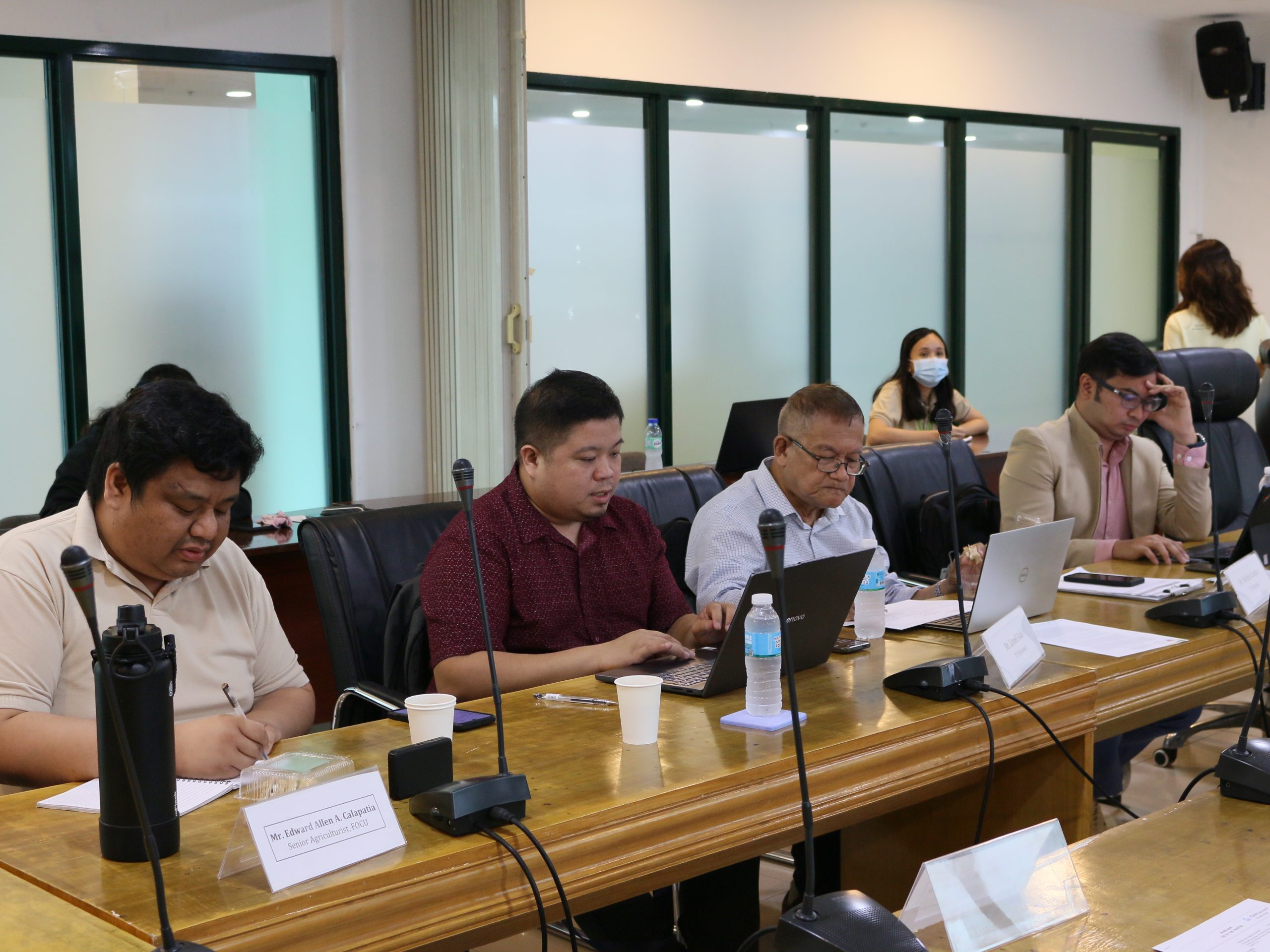
    September 23, 2025 | Quezon City – The Fertilizer and Pesticide Authority (FPA) has successfully retained its ISO 9001:2015 Quality Management System (QMS) certification following an external audit conducted on August 20, 2025 by the certifying body, TÜV Rheinland Philippines, Inc.

    The audit assessed the agency’s compliance with legal, regulatory, and contractual requirements, as well as the effectiveness of its management system in achieving organizational objectives. It covered core processes such as product registration, issuance of licenses, permits, and accreditations, and the conduct of laboratory analyses and evaluations.

    Key accomplishments recognized during the audit included:

    • Development by the Pesticide Regulations Division (PRD) of two reference manuals for residue evaluation and bio-efficacy
    • Formulation of the agency’s 10 Key Initiatives
    • Integration of an online accreditation application into the FPA Trade System
    • Ongoing deployment of Digi-Pay, an online payment platform developed with the Development Bank of the Philippines (DBP) for license and accreditation applications and renewals
    • Continued construction of the new Laboratory Service Division (LSD) facility
    • Strengthened policies on agricultural drone use through updated regulations, strategic partnerships, and nationwide information caravans
    • Consistent receipt of the Commission on Audit’s Plaque of Recognition for an Unmodified Opinion on its financial statements from 2021 to 2024

    The audit team, led by Lionell Aala with members Melchor Camina and Marion Louis Aguilar Almazan, reported no nonconformities, affirming FPA’s sustained compliance and effective QMS implementation.

    ###

    Writer: Wendycharlene Almasen

    |

    _________________________________________________________

    Fertilizer and Pesticide Authority (FPA) Online ISSN: 2815-1674
    Published by the FPA Information and Communications Team
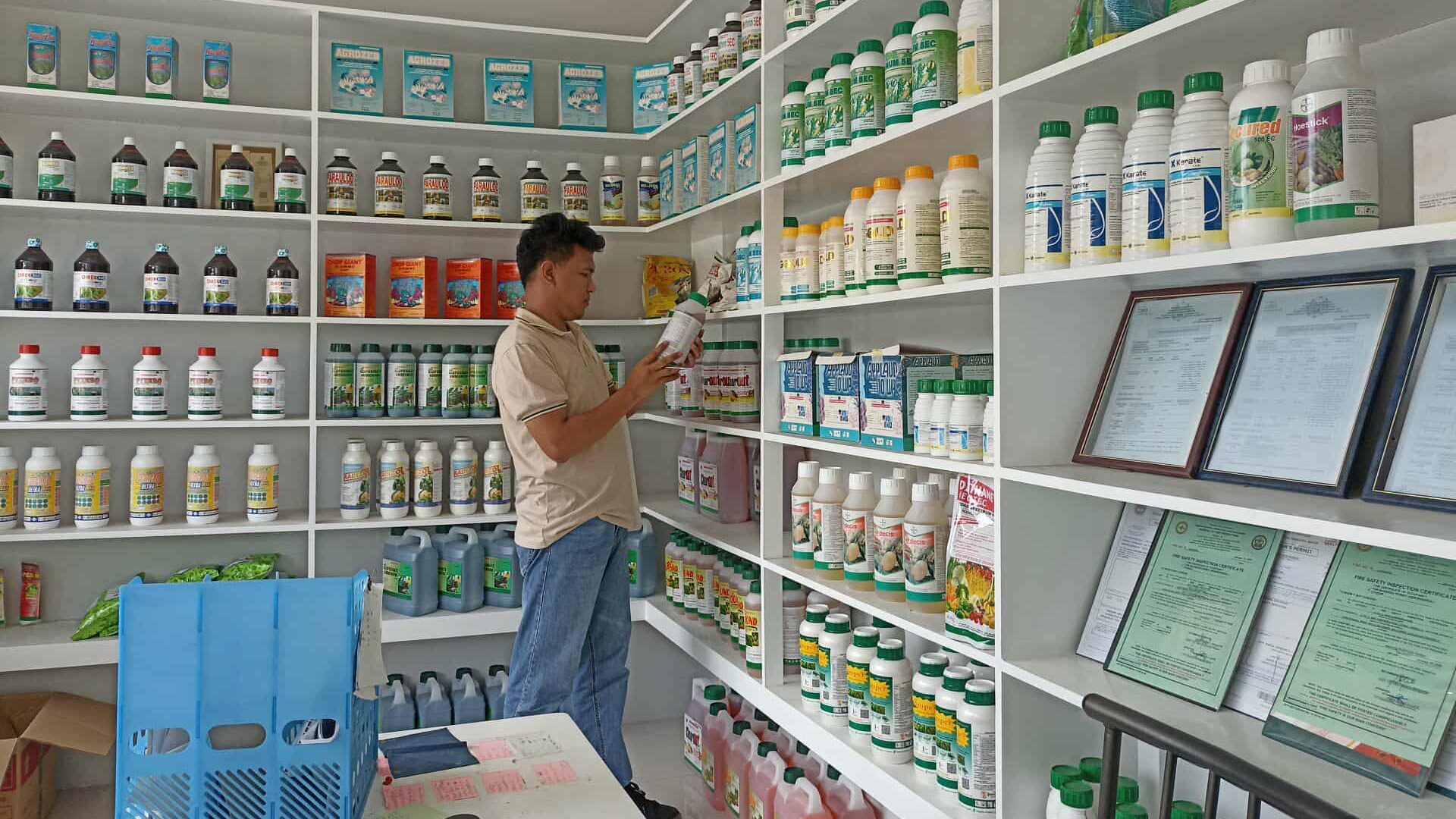
  • FPA strengthens inspection capacity through ISO 17020:2012 training

    FPA strengthens inspection capacity through ISO 17020:2012 training

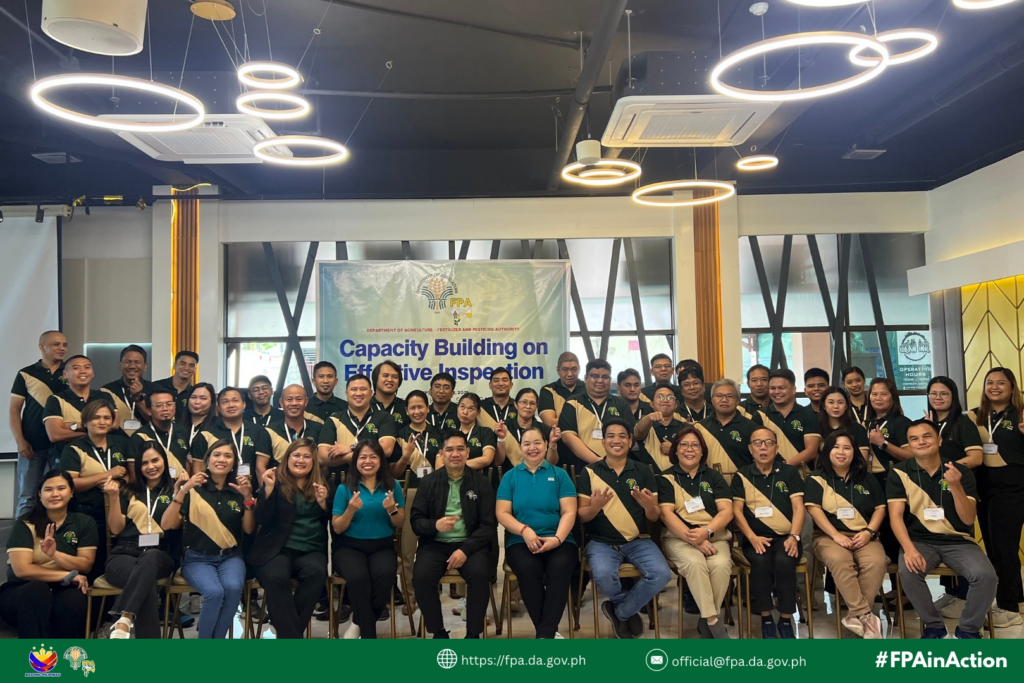
    Subic Bay Freeport Zone, Zambales | September 12, 2025 – The Fertilizer and Pesticide Authority (FPA), in partnership with SGS Philippines, Inc., has concluded a five-day capacity-building training on ISO/IEC 17020:2012 Conformity Assessment and Effective Inspection Practices.

    The training, held from September 8–12, 2025, gathered around 50 participants, including members of the FPA Management Committee and technical staff from the FPA Central Office and Regional Field Units (RFUs) who are involved in the conduct of field inspection activities. The activity aimed to strengthen the agency’s inspection and monitoring capabilities, particularly in ensuring impartiality, consistency, and alignment with international standards.

    Raising the bar for inspections

    In his welcome remarks, Executive Director Estrada highlighted that inspections are at the heart of FPA’s regulatory powers.

    “Inspection is more than just checking boxes – it’s about building trust, ensuring safety, and upholding the standards that our Agency and our clients expect from us. By aligning our inspection practices with internationally recognized standards, we not only improve our internal processes but also demonstrate our commitment to excellence and accountability,” Dir. Estrada said.

    The sessions covered key ISO 17020 requirements, including competence of inspection bodies, impartiality, and consistency of inspection results. Practical components such as assessment activities and mock inspections reinforced participants’ skills in applying international best practices to real-world regulatory scenarios.

    The program commenced with an awareness session on ISO/IEC 17020:2012, followed by a discussion and workshop on Risk-Based Inspection of Fertilizers and Pesticides. The participants also had an actual field inspection using the inspection form developed from the workshop. A lecture on the qualities of effective inspectors was also tackled before a final exam was administered.

    Building a pool of inspectors

    One of the key goals of the training was to develop a pool of FPA inspectors coming from different divisions and units of the agency. This pool will serve as a ready roster of trained personnel who can be deployed to conduct field inspections, complementing the regular inspection staff from regulatory divisions and the RFUs.

    By expanding inspection capacity, FPA ensures that its monitoring and enforcement activities are not only consistent nationwide but also more responsive to the growing demands of the agri-input industry.

    “Through this training, our inspectors are better equipped to deliver consistent, high-quality service, strengthen compliance to our policies, and contribute to the success of the agricultural industry through comprehensive and sound regulations,” Estrada added.

    The event was organized by the Fertilizer Regulations Division (FRD), with support from the Finance and Administrative Division (FAD), the FPA-Fertilizer and Pesticide Application Using Remotely Piloted Aircraft Control Committee (FPA-RPACC), and the FPA Regional Field Unit III. SGS Philippines provided technical expertise in both lectures and field demonstrations.

    |

    _________________________________________________________

    Fertilizer and Pesticide Authority (FPA) Online ISSN: 2815-1674
    Published by the FPA Information and Communications Team