Disposal of One (1) Lot Unserviceable Properties
Blog
-
FPA joins ASEAN in pioneering regional biopesticide regulatory framework
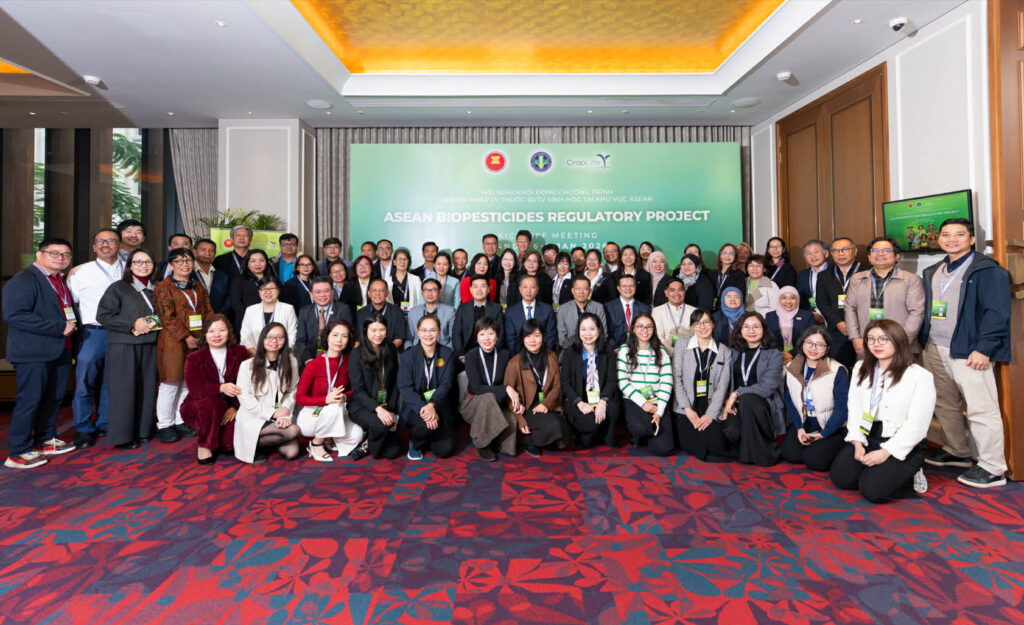
January 29, 2026 | Hanoi, Viet Nam — The Fertilizer and Pesticide Authority (FPA) has joined fellow regulators, research institutions, experts, and technical partners from the Association of Southeast Asian Nations (ASEAN) in the ASEAN Biopesticides Regulatory Project Kick-Off Meeting held in Hanoi, Viet Nam on January 6–7, 2026.
The three-year project aims to establish a harmonized regulatory framework to govern the registration, evaluation, and use of biopesticides across ASEAN Member States, supporting safer, more effective, and sustainable pest management practices in the region. The first draft of the harmonized framework is targeted for completion by December 2026.
FPA Executive Director Glenn DC. Estrada and Pesticide Regulations Division (PRD) Chief Maribel M. Querijero, together with other Philippine delegates from both the public and private sectors, represented the Philippines and joined the project’s network of pesticide regulatory authorities, experts, and research institutions from ASEAN member countries.
The project is also supported by various international organizations and technical partners collaborating under the ASEAN framework.
There are three workstreams in the project for Biopesticide Regulations: WS # 1- Regulatory Framework Harmonization in ASEAN, Workstream # 2 – Technical Capacity Challenges and Needs, and Workstream # 3 – Biopesticide Incorporated Integrated Pest Management Options and Farmers Adoption of Biopesticides.
During the meeting, Ms. Querijero was officially assigned to lead the Workstream 1 on the development of the Regulatory Framework for Biopesticides among ASEAN Member States. Director Estrada delivered the keynote address which underscored the strategic importance of the initiative for food security, farmer welfare, and sustainable agriculture in a region where more than 600 million people rely on agriculture for their livelihood and food supply.
“This regulatory framework will increase the number of globally registered products that reach our farmers. It will give them more tools for integrated pest management. It will encourage competition, innovation, and lower costs. And most importantly, it will ensure public health, environmental safety, and efficacy are never compromised,” Estrada said.
He emphasized that regulatory harmonization is not merely an administrative exercise but a critical enabler of innovation and food security. By strengthening mutual recognition, scientific rigor, and trust among ASEAN regulators, the initiative seeks to accelerate farmer access to proven, safe, and effective biopesticide technologies without weakening regulatory standards.
“Through this project, we can show the world that harmonized regulation, scientific integrity, farmer empowerment, and environmental stewardship can move forward together. This is how we scale up. And this is how we scale deep. ASEAN does not merely follow global sustainability standards—ASEAN can also set them,” he added.
Beyond regulatory alignment, the ASEAN Biopesticides Regulatory Project will undertake technical and scientific needs assessments to identify capacity gaps among member states. These activities are expected to lead to targeted manpower development, the strengthening of
selected laboratories, enhanced communication strategies to promote farmer-level adoption of biopesticides, integrated pest management (IPM), and the establishment of workstreams to advance research on integrated pest management.
As the country’s regulatory authority for pesticides, the FPA reaffirmed its commitment to support the project’s initiatives and to contribute Philippine expertise and experience to the development of a robust, region-wide biopesticides regulatory framework that protects public health, safeguards the environment, and empowers ASEAN farmers through access to sustainable agricultural innovations.
|
Writer: FPA Information Section
_________________________________________________________
Fertilizer and Pesticide Authority (FPA) Online ISSN: 2815-1674
Published by the FPA Information and Communications Team -
FPA, CIDG seize P1M worth of unregistered agricultural inputs in Aritao
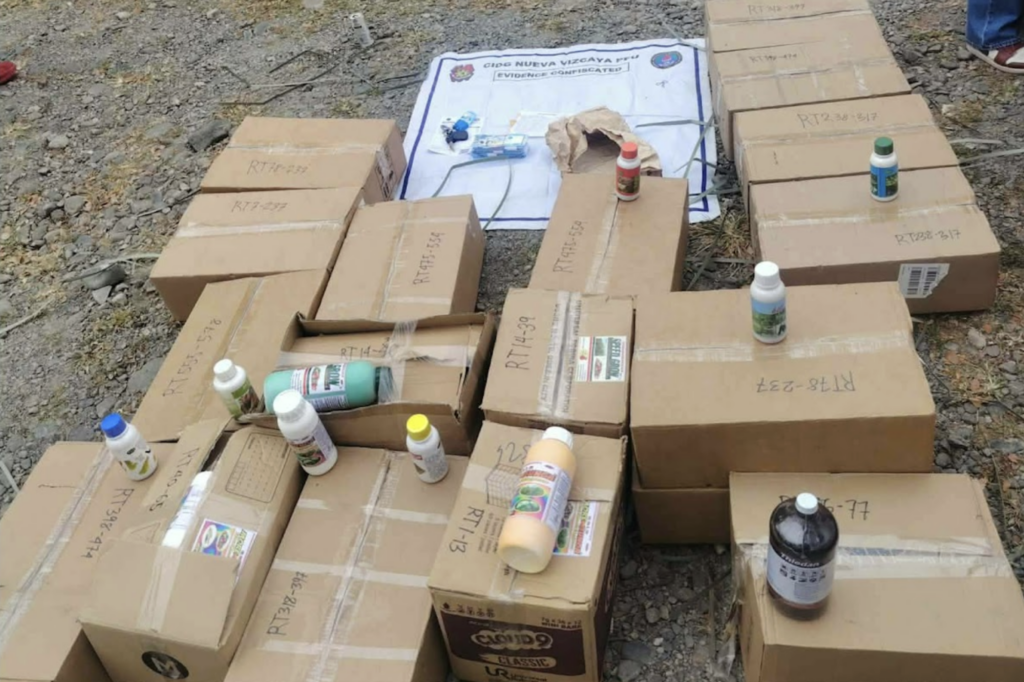
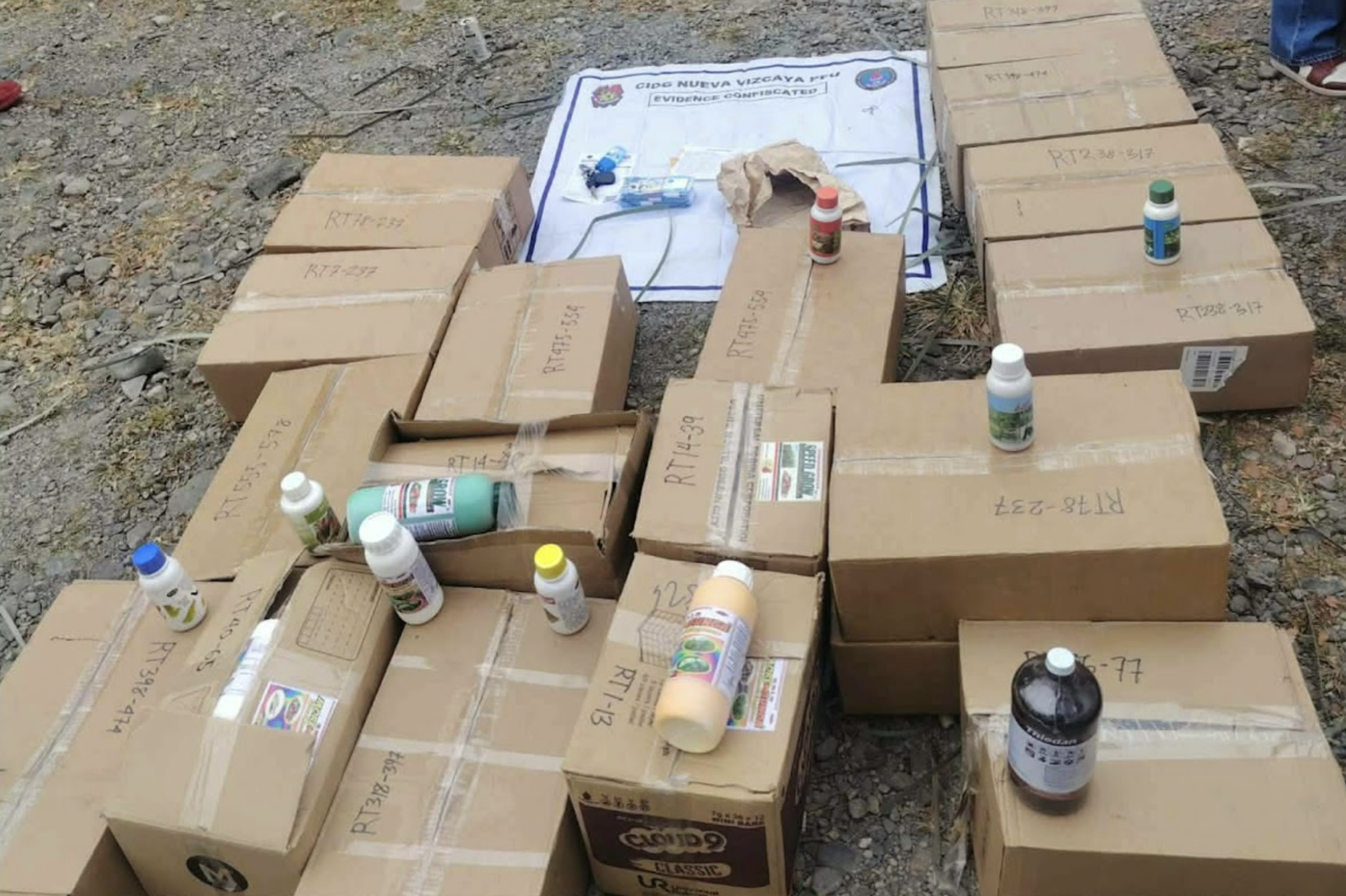
Aritao, Nueva Vizcaya | February 1, 2026 – A joint buy-bust operation by the Criminal Investigation and Detection Group (CIDG) and the Fertilizer and Pesticide Authority (FPA) resulted in the arrest of two individuals and the confiscation of ₱1 million worth of unregistered agricultural inputs in Aritao, Nueva Vizcaya.
The two suspects from Guimba, Nueva Ecija, were arrested after selling unregistered fertilizer and pesticide products to a CIDG operative who acted as a poseur-buyer.
“This operation sends a clear warning to individuals engaged in the sale and distribution of unregistered fertilizer products. These illegal products pose serious risks to farmers, crop productivity, and the environment,” said Glenn DC. Estrada, Executive Director of FPA.
“We commend the CIDG, the Aritao Municipal Police Station, and FPA Regional Field Unit II for their coordinated action. FPA will continue to work closely with law enforcement agencies to strictly enforce existing laws and protect the agricultural sector,” Dir. Estrada added.
Confiscated during the operation were assorted fertilizer and pesticide products in various brands and quantities, boodle money and a genuine P1,000 bill used in the buy-bust, one delivery receipt, and an Isuzu Crosswind vehicle.
The seized products were confirmed to be unregistered and covered under FPA Advisory No. 2023-023, as certified by Leonardo A. Bangad, Regional Officer of FPA-RFU II. Inventory and marking of the evidence were conducted on-site in the presence of local barangay officials.
Two alternative recording devices were utilized during the operation to ensure transparency and proper documentation. The suspects were informed of their constitutional and other rights.
Further investigation and the filing of appropriate charges are ongoing.
|
Writer: FPA Information Section
_________________________________________________________
Fertilizer and Pesticide Authority (FPA) Online ISSN: 2815-1674
Published by the FPA Information and Communications Team -
FPA, FATA renew partnership through MOU Signing for 2026 accreditation trainings and symposia

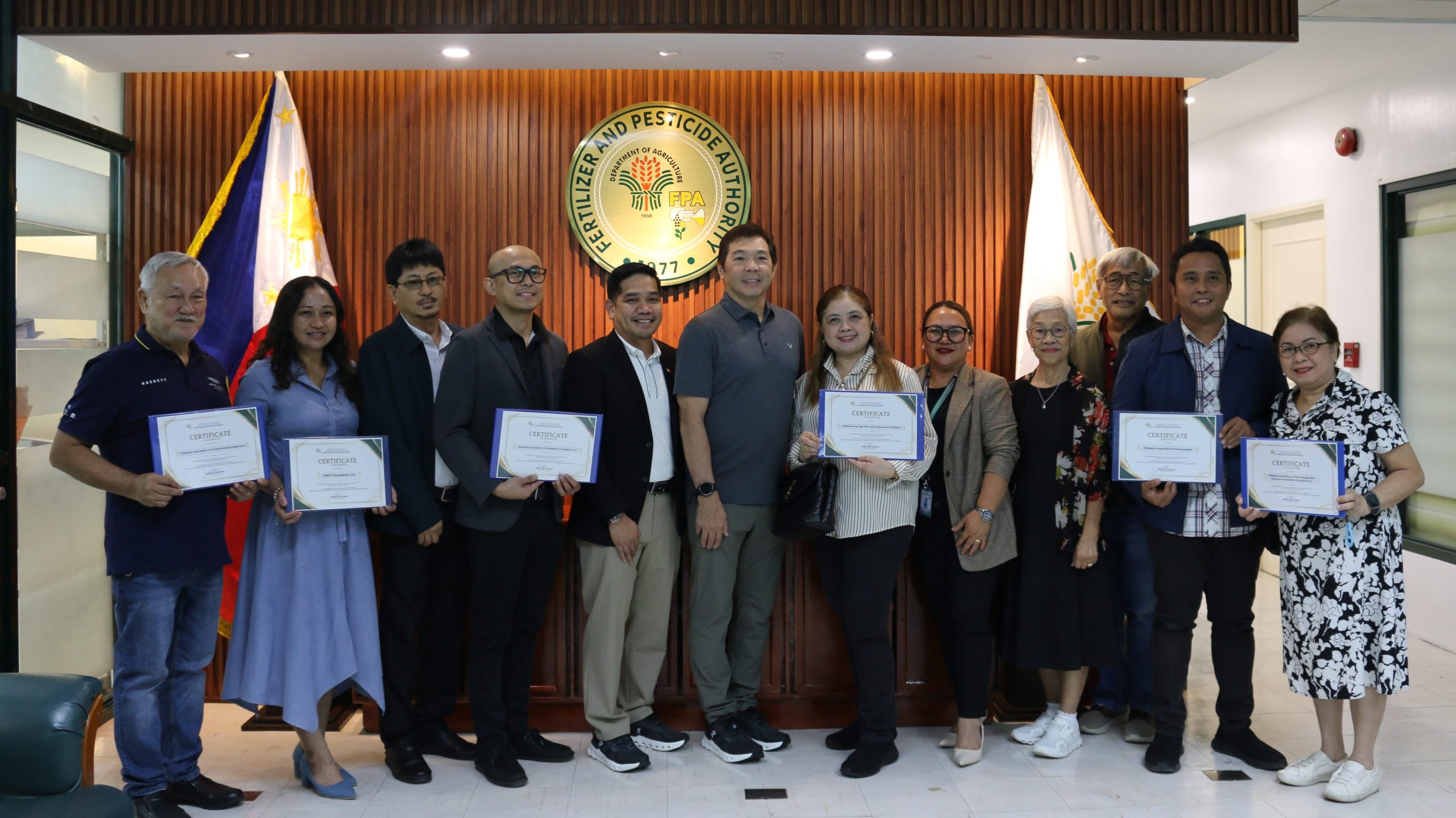
January 30, 2026 | Quezon City – The Fertilizer and Pesticide Authority (FPA) formally renewed its partnership with its accredited training associations through the signing of a Memorandum of Understanding (MOU) at the FPA Board Room, Visayas Avenue, Quezon City, on January 23, 2026.
The MOU signing marked a significant milestone in strengthening institutional partnerships and ensuring that capacity-building programs remain aligned with the FPA policies, standards, and regulatory frameworks.
In his welcome message, FPA Executive Director Glenn DC. Estrada underscored the importance of sustained collaboration with the FPA Accredited Training Association (FATA) in advancing FPA’s mandate to safeguard public health, environmental safety, and the integrity of agricultural inputs regulation.
“Continued engagement of training partners reflects a shared responsibility in promoting correct and safe use of fertilizers and pesticides nationwide,” he said.
Shift to Face-to-Face Training for Enhanced Learning
One of the key highlights of this year’s MOU is the shift from online to face-to-face training activities, aimed at further enhancing participants’ learning experience through more interactive discussions, hands-on exercises, and direct engagement with trainers. This transition is expected to strengthen comprehension, skills development, and practical application of regulatory requirements among trainees.
The MOU was formally signed with the following FPA-Accredited Training Associations (FATA):
- Philippine Federation of Pest Management Operators’ Association (PFPMOA) Foundation Inc.
- Philippines Association of Certified Pesticide Applicators (PACPA)
- Philippine Association of Entomologists, Inc. (PAE)
- Philippine Association of Professional Fumigators, Inc. (PAPFI)
- Kapisanan ng mga Pest Control Operators, Inc. (KAPESTCOPI)
- PMCP Foundation, Inc. (PMCPFI)
The partner associations were recognized for their continued commitment to producing competent and skilled agricultural professionals in support of industry development.
2026 Training and Symposia Schedule
For individuals interested in participating, the official schedule of FPA trainings and symposia for 2026 can be found in the table below:
Table 1. Schedule for FATA Training for Agricultural CPA-Fumigator
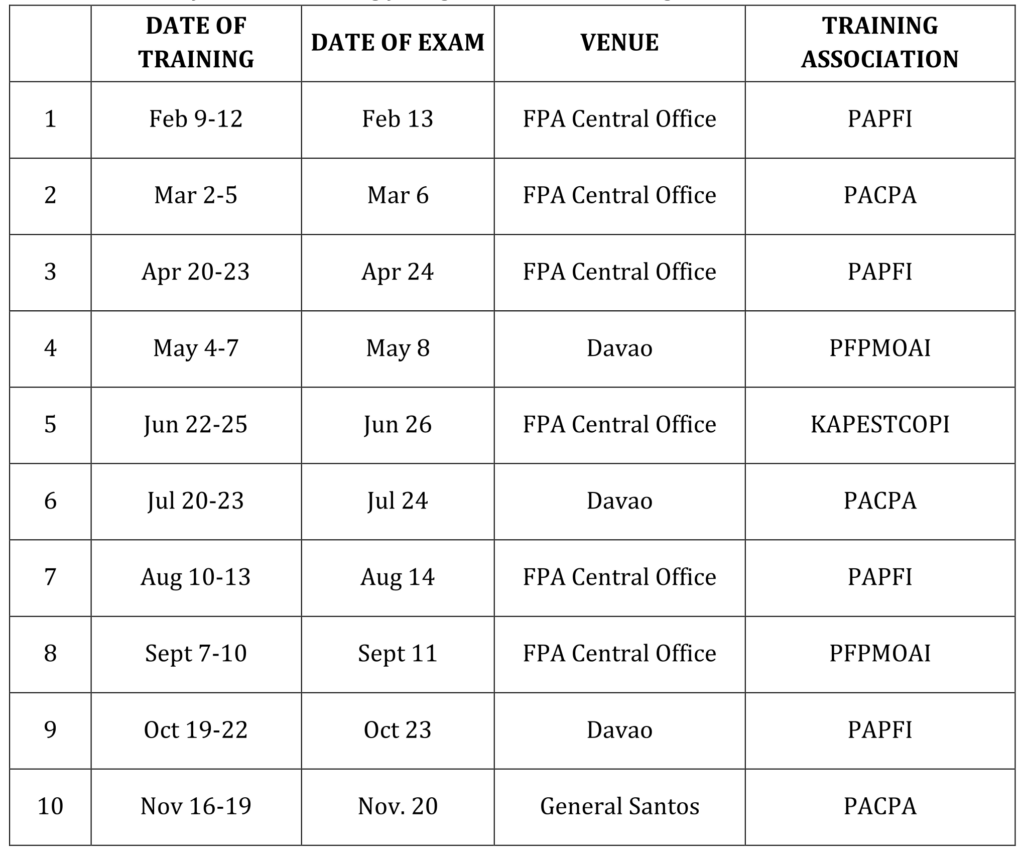
Table 2. Schedule for FATA Training for Agricultural CPA-Exterminator
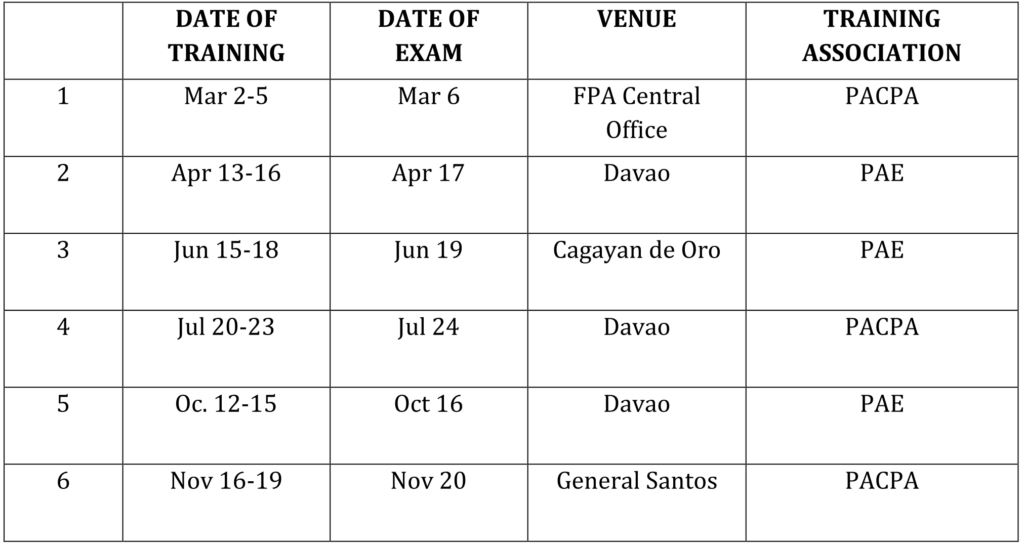
Table 3. Schedule for FATA Training for Accredited Responsible Care Officer
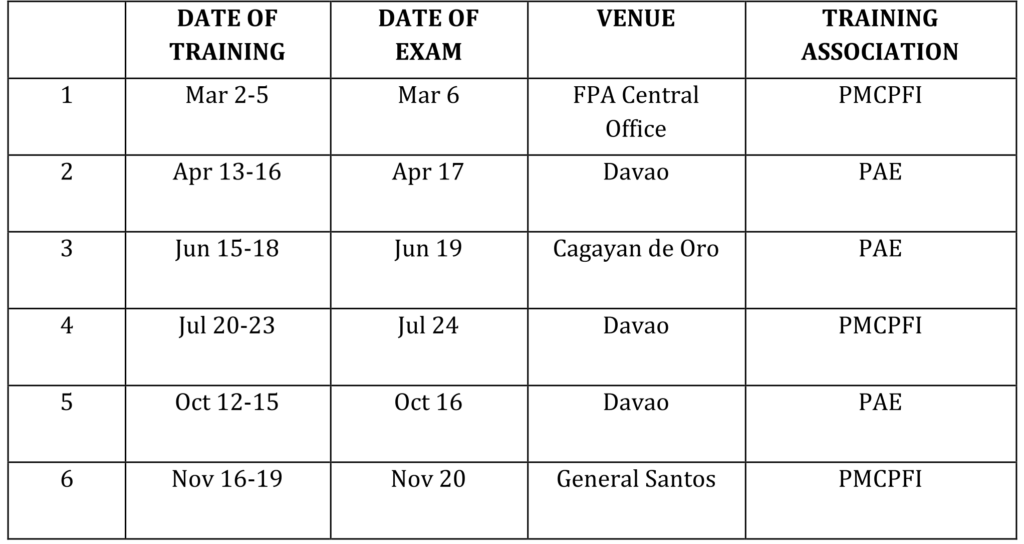
Table 4. Schedule for FATA Training for F/P Researcher (Bioefficacy and SPRT Researcher)
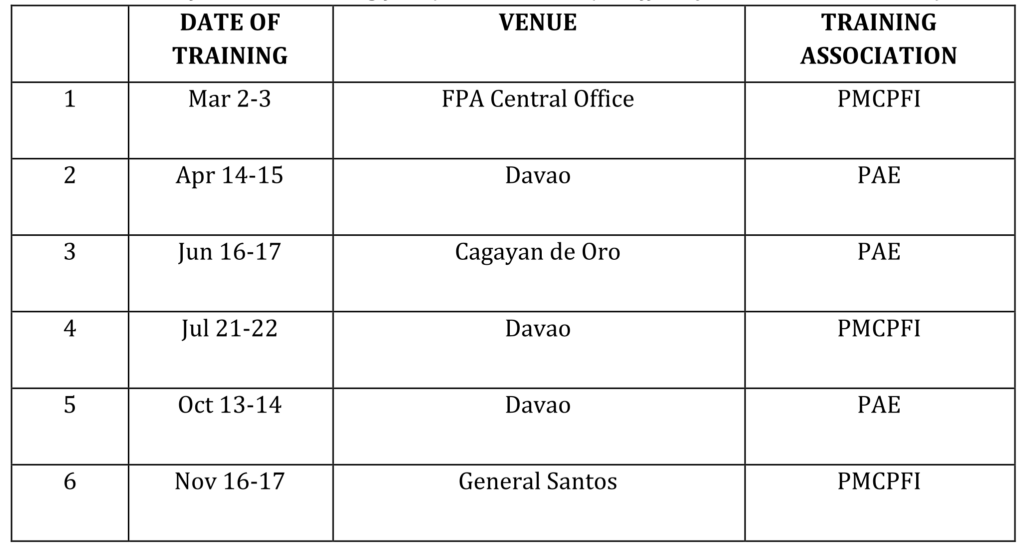
Table 5. Schedule for 2026 Symposium
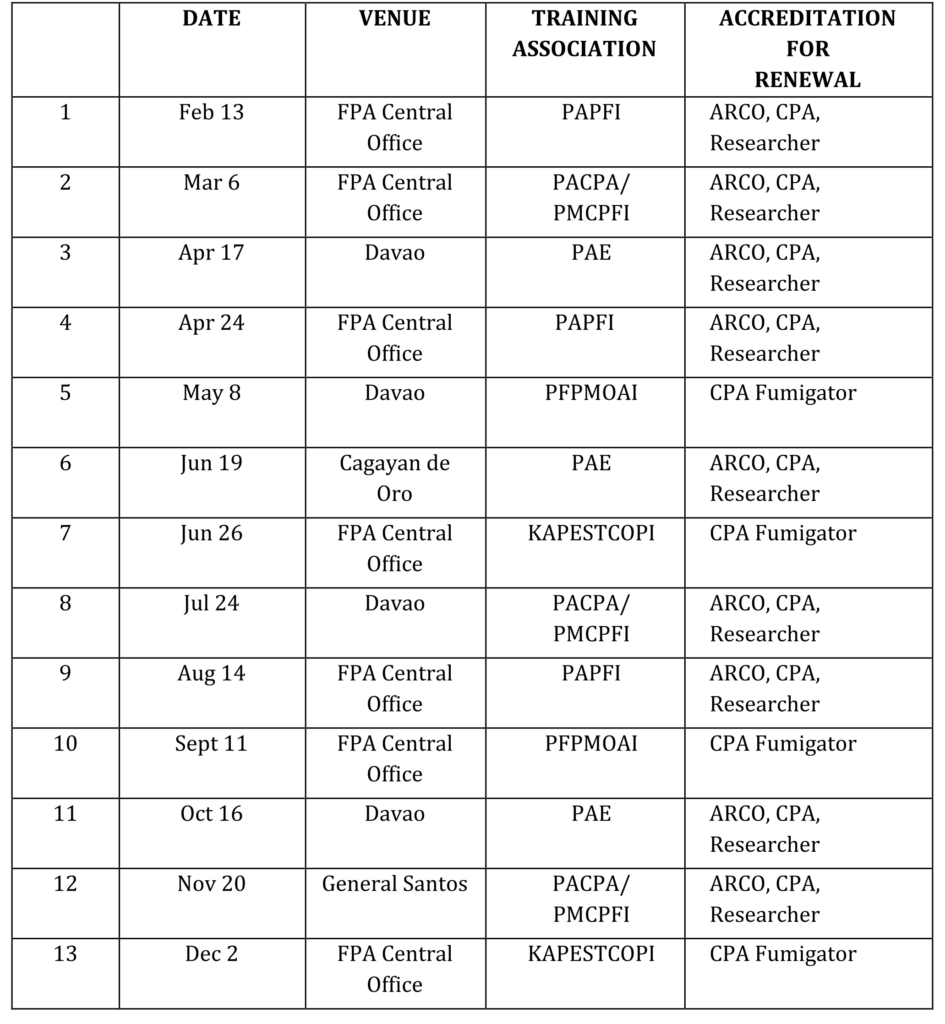
Table 6. Schedule of examination for applicants/trainees (2025 and earlier)
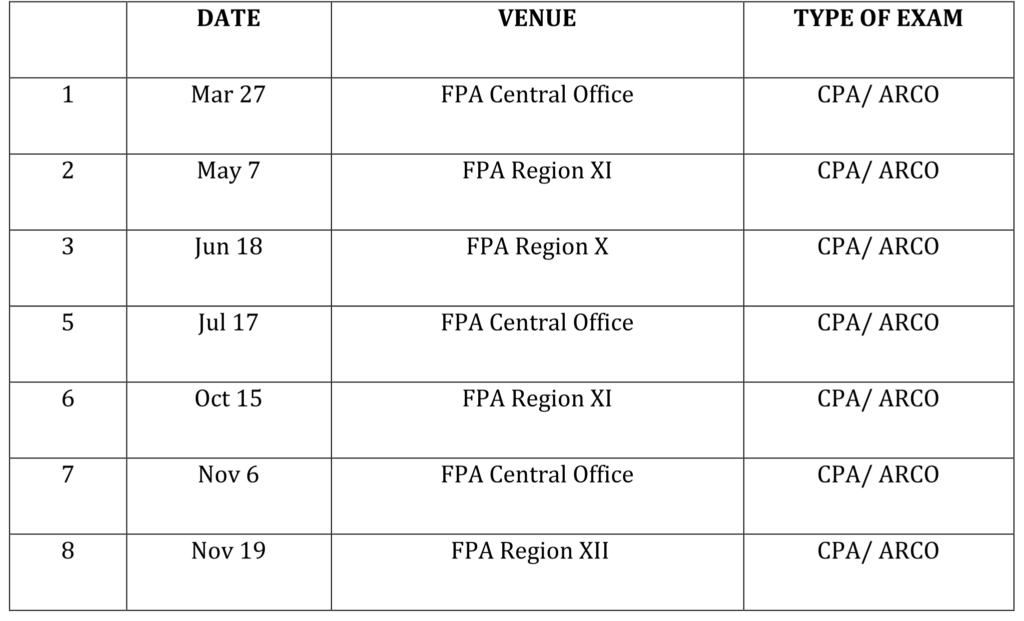
2025 accreditation training accomplishments
In 2025, FATA conducted 25 accreditation trainings, benefiting 606 individuals, with 322 examinees for accreditation as pesticide applicators and responsible care officers. Results revealed that 42.65% passed the CPA Fumigator while 48.53% passed the CPA Exterminator. Meanwhile, 79.66% passed the ARCO exam (Table 7).
Table 7. Distribution of training conducted, participants, and examination results by type of accreditation
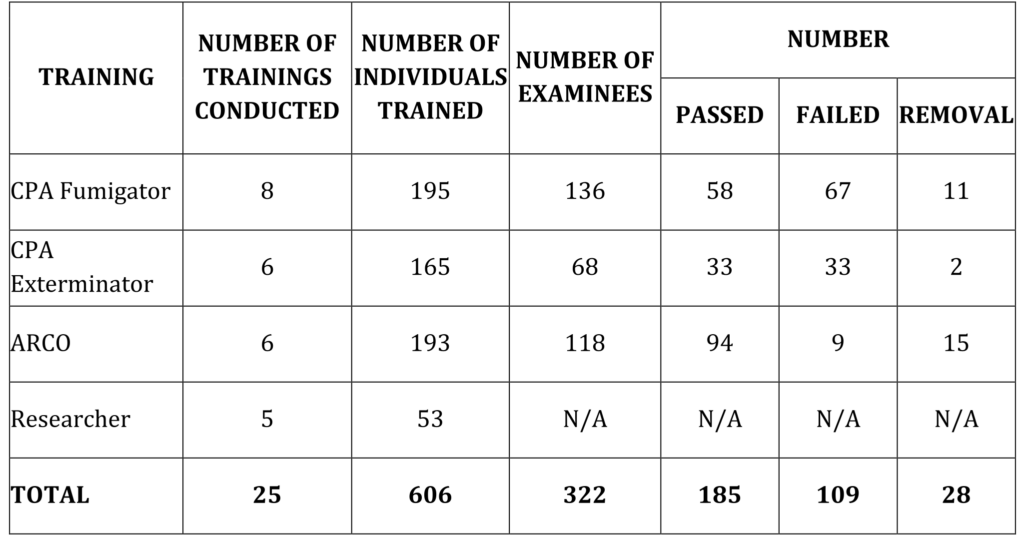
Moreover, 13 symposia were conducted nationwide, reaching 1,703 participants, reflecting the sustained impact of FATA-led capacity-building (Table 8).
Table 8. Distribution of symposiums conducted and the number of attendees by training association (FATA)
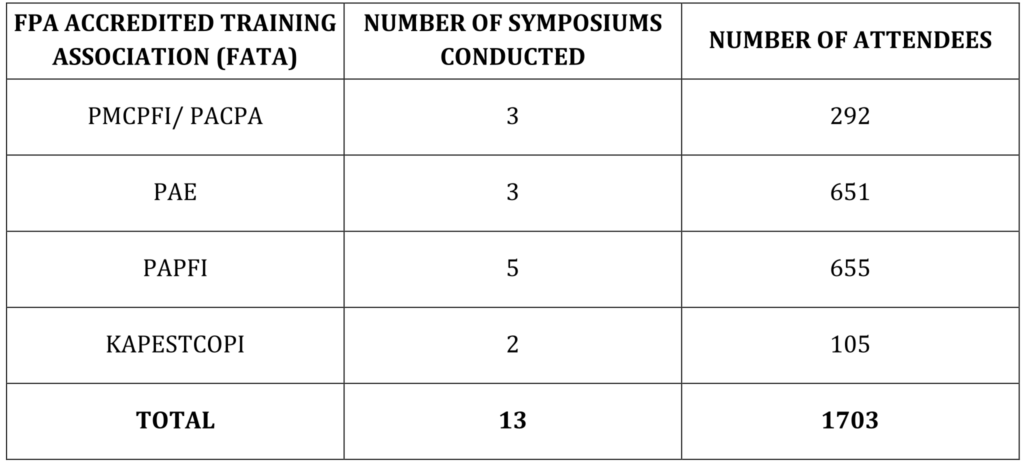
Officer-in-Charge, Deputy Executive Director for Fertilizer Gerardo T. Santiago concluded the event with a message highlighting the value of mentorship, continuous learning, and strong partnerships in strengthening the Agency. He underscored the vital role of FPA-Accredited training Associations as partners in enhancing competencies and improving institutional performance, expressing appreciation for their continued support, commitment, and long-term collaboration with the FPA.
The FPA also expressed confidence that the renewed partnership will further strengthen policy coherence and collaboration as the Agency and its partners collectively advance responsible fertilizer and pesticide management and promote sustainable agricultural practices.
|
Writer: Rochelle M. Ocbina – Information Officer II
_________________________________________________________
Fertilizer and Pesticide Authority (FPA) Online ISSN: 2815-1674
Published by the FPA Information and Communications Team -
FPA clarifies regulatory action on unauthorized online selling of fertilizers and pesticides
January 22, 2026 | Quezon City, Philippines – The Fertilizer and Pesticide Authority (FPA) has clarified that the recent issuance of Memorandum Circular No. 1, Series of 2026 revoking the online selling and trading of fertilizers and pesticides is not an indiscriminate ban, but a regulatory action grounded on existing laws and public safety considerations.
The FPA emphasized that online selling of fertilizers and pesticide products has never been authorized, as the Agency does not issue licenses or permits allowing the sale of regulated agricultural inputs through online platforms.
The recent Memorandum merely reinforces this long-standing policy under Presidential Decree No. 1144, which mandates the FPA to regulate the manufacture, importation, distribution, and sale of fertilizers and pesticides in the country.
According to Executive Director Glenn Estrada, the uncontrolled nature of online selling poses serious risks to farmers, consumers, and the environment.
“Products sold online are often untraceable and may be counterfeit, substandard, improperly labeled, or chemically unsafe. These risks are heightened in specialized farming systems, such as hydroponics, where precise product composition is critical to crop safety and productivity,” he said.
Director Estrada also shared that the current online selling environment does not allow effective regulation of the fertilizer and pesticide value chain.
“Products pass through multiple unlicensed channels such as online platforms, warehouses, couriers, and third-party handlers without regulatory oversight. This creates opportunities for improper storage, repacking, substitution, or tampering of regulated products,” he explained.
Director Estrada further warned that many fertilizer and pesticide products sold online originate from overseas sources and enter the country without proper registration, import clearance, or quality inspection.
“Pesticide products imported without a Certificate Authorizing the Importation of Pesticides (CAIP) are considered smuggled agricultural inputs and pose significant threats due to unknown chemical composition and lack of accountability.”
While the FPA acknowledged concerns on access to specialized fertilizers in certain areas, particularly in provinces outside the National Capital Region, Director Estrada stressed that allowing unregulated online selling is neither a safe nor sustainable solution.
He reiterated that licensed fertilizer and pesticide dealers operate in all regions nationwide, ensuring that farmers have access to legitimate, registered, and safe agricultural inputs through authorized physical establishments.
He clarified that the FPA is not closing the door to online selling as a future mode of distribution. Instead, the Agency is committed to developing a robust regulatory framework that will allow online selling once proper safeguards, licensing mechanisms, traceability systems, and enforcement controls are in place. Until such systems are established, online selling of fertilizers and pesticides remains unauthorized.
The FPA continuously reminds farmers and stakeholders to remain vigilant and to purchase fertilizers and pesticides only from FPA-licensed dealers and distributors on their authorized physical establishments, in compliance with existing laws and regulations.
“The protection of farmers, consumers, and the environment remains our priority,” Director Estrada said. “Regulation is essential to ensure that agricultural inputs are safe, effective, and legally distributed.”
|
_________________________________________________________
Fertilizer and Pesticide Authority (FPA) Online ISSN: 2815-1674
Published by the FPA Information and Communications Team -
FPA Memorandum Circular No. 2026-03
CY 2026 schedule of trainings, symposia, and examinations of FPA Accredited Training Associations (FATA)
-
FPA Memorandum Circular No. 2026-02
Facilitation of Request for Analysis of Pesticide Sample at the FPA for Product Registration and Quality Monitoring Purposes
-

FPA, DICT-CICC and PNP nab illegal online sellers of fertilizers and pesticides in Quezon City
Quezon City | January 15, 2026 – The Fertilizer and Pesticide Authority (FPA), in coordination with the Cybersecurity Investigation and Coordinating Center (CICC) of the Department of Information and Communications Technology (DICT) and the Philippine National Police (PNP), conducted a series of entrapment operations against illegal online sellers of fertilizers and pesticide products in Quezon City.
The coordinated by-bust operations were carried out in several establishments located along Mindanao Avenue, Cubao, and Quezon City Circle, following weeks of cyber-monitoring and validation of online transactions involving unregistered and illegally marketed agricultural inputs.
The operation resulted in the confiscation of 163 fertilizer products and 113 pesticide products amounting to Php 175,000 without the required FPA license to operate.
FPA Executive Director Glenn Estrada lauded the strong inter-agency collaboration that led to the successful operations, noting that it reflects a whole-of-government approach in safeguarding farmers and the public from unsafe, unregulated agricultural inputs.
“This operation shows that when government agencies work together, we can effectively protect our farmers, consumers, and the environment from the dangers posed by illegal fertilizers and pesticides being sold online,” Estrada said. “We will not allow unscrupulous sellers to undermine our regulatory system and endanger agricultural productivity and public safety.”
Estrada also warned that more intensified entrapment operations will be conducted throughout the year as part of FPA’s stepped-up enforcement against online sellers who violate Presidential Decree No. 1144 (PD 1144) and other related laws, rules, and regulations governing the registration, distribution, and sale of fertilizers and pesticides.
“This is only the beginning. We are sending a clear message to online sellers, handlers, and distributors: comply with FPA regulations or face the full force of the law,” he added.
The operations form part of FPA’s newly launched enforcement campaign dubbed “Oplan Bistados” (Bantay Istrikto sa Teknolohiyang Abono at Pestisidyo sa Online Selling), which aims to strengthen the monitoring, investigation, and prosecution of illegal online trading of agricultural inputs.
Under Oplan Bistados, FPA, together with DICT-CICC and the PNP, will continue to track suspicious online activities, conduct cyber-surveillance, and undertake on-the-ground enforcement actions to ensure that only FPA-registered, properly labeled, and safe fertilizers and pesticides are sold to the public.
The FPA reminds farmers and buyers to purchase fertilizers and pesticides only from FPA-licensed dealers and to verify product registration and name of sellers and distributors through the FPA website to avoid unsafe, fake, or substandard products that may harm crops, human health, and the environment.
Writer: FPA Information Section
|
_________________________________________________________
Fertilizer and Pesticide Authority (FPA) Online ISSN: 2815-1674
Published by the FPA Information and Communications Team