Blog
-
FPA Memorandum Circular No. 2025-27
Resumption of acceptance of request for analysis using total nitrogen (nitrate-free and nitrate-containing), iron (Fe) and sodium (Na) test methods in the Laboratory Services Division (LSD)
-
FPA Memorandum Circular No. 2025-28
Enhanced monitoring of field trials conducted under experimental use permit (EUP)
-
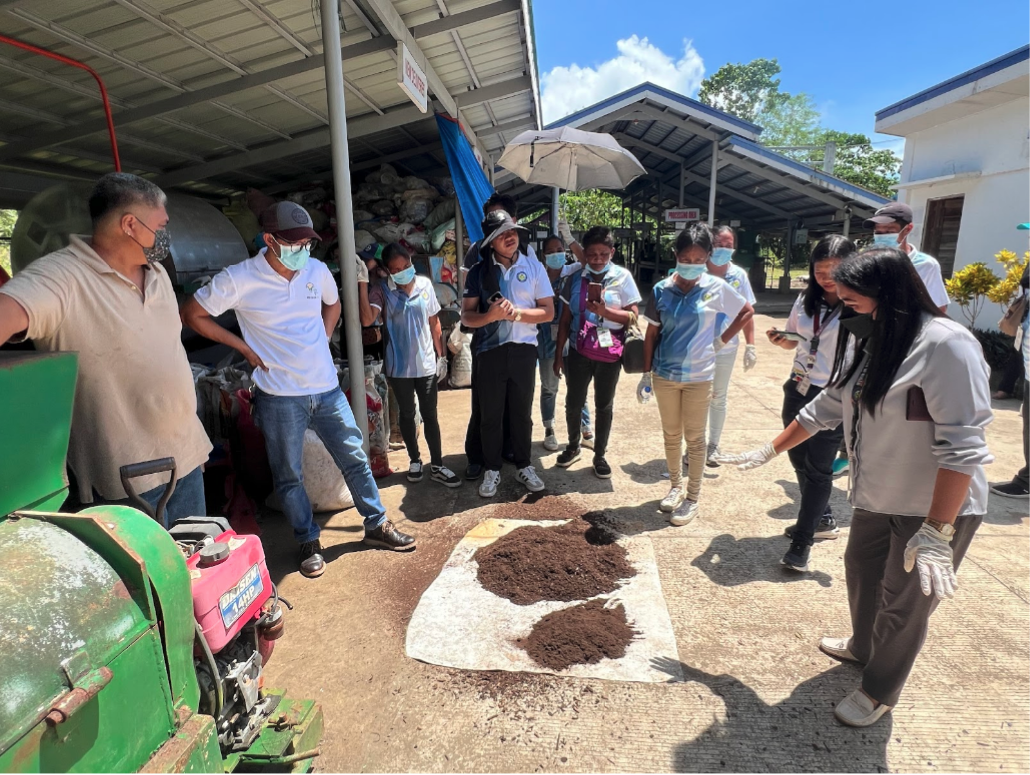
FPA Bicol spearheads hands-on training on compost production in Sorsogon and Albay
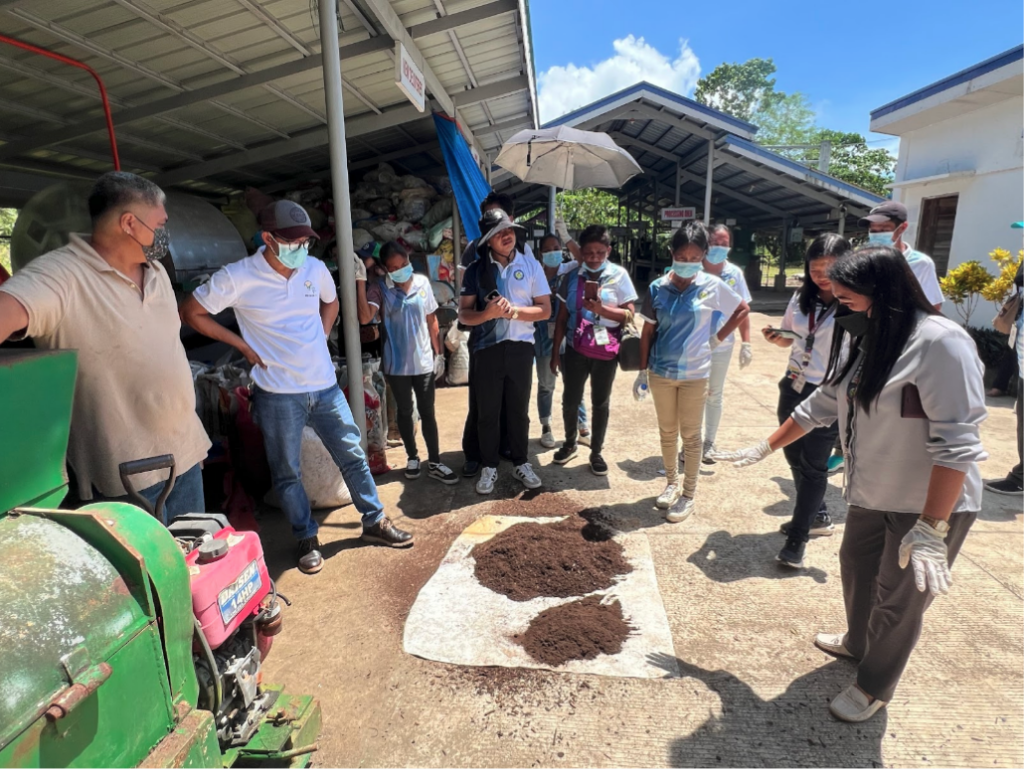
October 9, 2025 | Bicol Region — The Fertilizer and Pesticide Authority (FPA) Regional Field Unit V spearheaded a series of Hands-On Training on Compost Production in the municipalities of Bulan, Sorsogon and Polangui, Albay on October 8 and 9, 2025, respectively.
Both LGUs are beneficiaries of FPA’s Composting Facilities for Biodegradable Wastes (CFBW) Program. The activity aimed to equip farmer-beneficiaries and local government personnel with practical knowledge and skills in producing quality compost from biodegradable wastes using said technologies.
The training was held in partnership with the Municipal Environment and Natural Resources Offices (MENRO) and the Municipal Agriculture Offices (MAO) of the two municipalities. Around 35 participants joined the Bulan training, while 15 participants took part in the Polangui session.
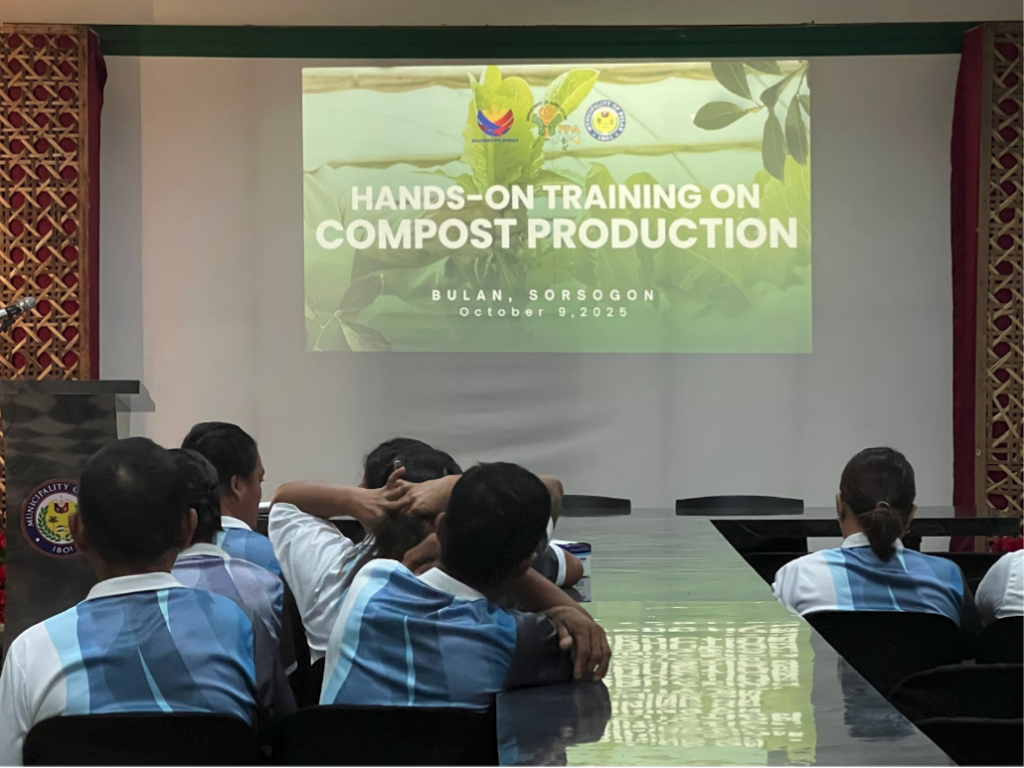
Engr. Ara San Pascual from the Bureau of Soils and Water Management (BSWM) Bicol Region served as resource person for both of the sessions. She discussed the components of the CFBW Program, the proper methods of composting. Participants engaged in hands-on exercises that demonstrated step-by-step compost production techniques using the CFBW.
According to the FPA, the activity supports the Department of Agriculture’s (DA) advocacy for sustainable and environment-friendly farming practices through the establishment and utilization of Composting Facilities for Biodegradable Wastes (CFBW). It also forms part of the agency’s continuing efforts to promote Balanced Fertilization Strategy (BFS) and reduce dependence on synthetic fertilizers.
|
_________________________________________________________
Fertilizer and Pesticide Authority (FPA) Online ISSN: 2815-1674
Published by the FPA Information and Communications Team -
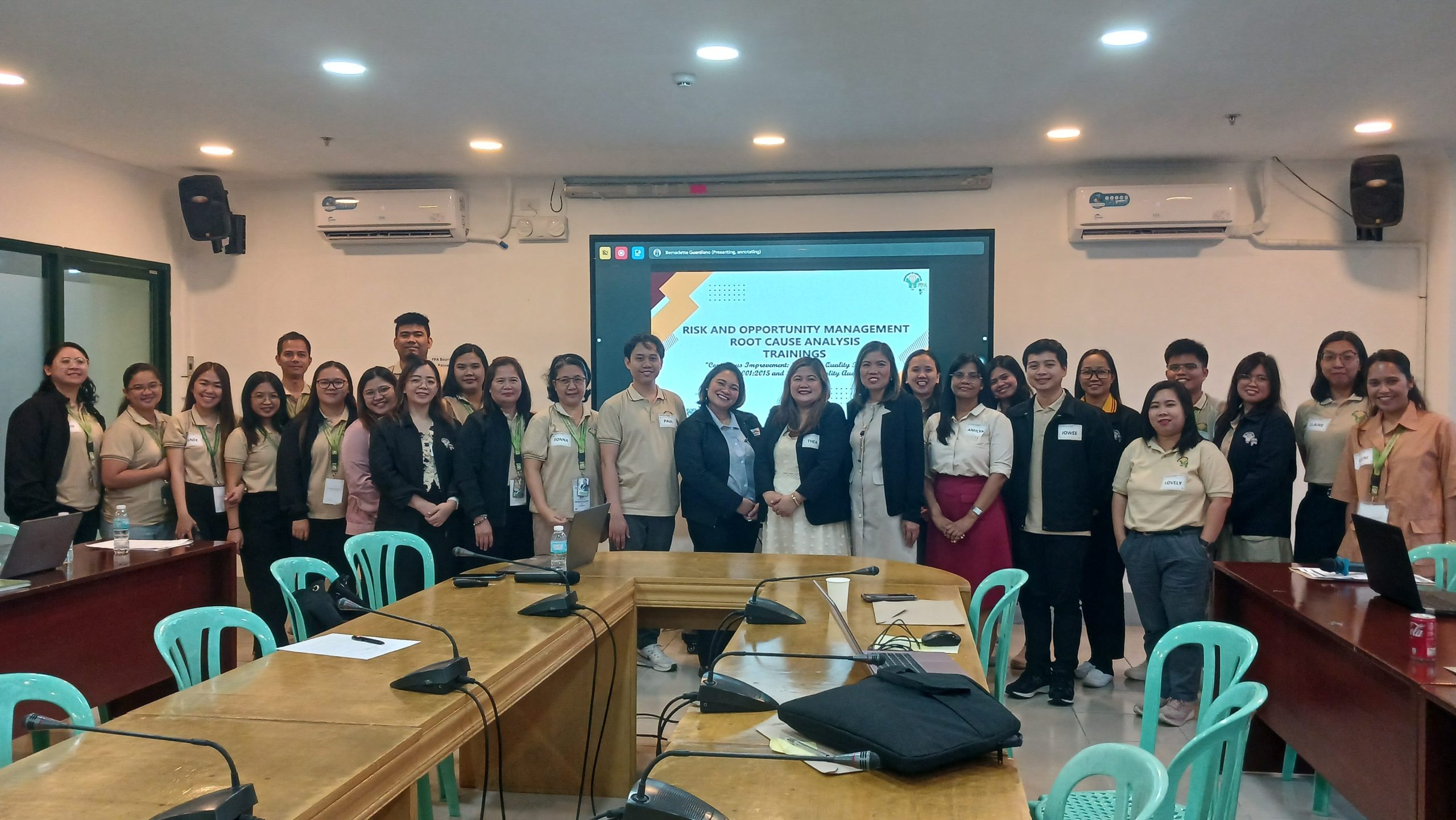
FPA reinforces commitment to continuous improvement through risk and opportunity management and root cause analysis trainings
October 06, 2025 | Quezon City – The Fertilizer and Pesticide Authority (FPA) reinforced its commitment to quality, accountability, and continuous improvement through a series of specialized trainings in September 2025, focusing on Risk and Opportunity Management and Root Cause Analysis (RCA) under the ISO 9001:2015 Quality Management System (QMS).
Organized by the FPA QMS Committee and the Management Section of the Planning, Management and Information Division (PMID), the sessions were facilitated by Engr. Jaymie Catibayan of Quality Plus Management Consulting Co. A total of 70 employees participated—face-to-face for Central Office staff and virtually for personnel from the regional field units—ensuring broad engagement across the agency.
Risk and Opportunity Management

Held on September 24–25, 2025, the training on ISO 9001:2015 Risk and Opportunity Management guided FPA personnel in identifying, evaluating, and addressing factors that could affect the quality of the agency’s products, services, and processes.
Engr. Catibayan discussed the distinction between Risk Analysis—the process of identifying potential events or conditions that may hinder objectives—and Risk Evaluation, which involves comparing the level of risk against set criteria to determine its significance and priority.
She introduced the Risk Treatment Plan, a structured approach for managing identified risks to minimize adverse impacts or enhance positive outcomes. Treatment strategies include reduction, transfer, avoidance, elimination, acceptance, and in some cases, increasing the risk when it offers potential benefits. Each plan must identify the responsible unit, required resources, timeline, and monitoring mechanism.
While risk management focuses on mitigating threats, Engr. Catibayan underscored that Opportunity Management aims to harness positive changes for innovation and service improvement. She cited examples such as process modernization and regulatory streamlining that enhance compliance and operational efficiency.
During workshops, participants identified potential agency risks, formulated treatment plans, and determined opportunities for innovation and improved public service delivery.
Through this training, the FPA reaffirmed its proactive approach to quality assurance—anticipating challenges, leveraging opportunities, and sustaining efficiency and stakeholder responsiveness.
Root Cause Analysis

Continuing its capacity-building efforts, the FPA conducted a training on Root Cause Analysis on September 30, 2025, also facilitated by Engr. Catibayan. The session emphasized the difference between Correction—the immediate remedy for a nonconformity—and Corrective Action, which eliminates the underlying cause to prevent recurrence.
Participants learned to apply evidence-based tools such as the 5 Whys, Fishbone (Ishikawa) Diagram, and Pareto Analysis to identify true process failures. Techniques like the Decision Matrix and Force Field Analysis were also introduced for evaluating and implementing effective corrective actions.
Using insights from internal audits conducted earlier in the year, participants practiced RCA on actual agency processes. The exercise strengthened their ability to resolve issues systematically and uphold ISO 9001:2015 standards for operational efficiency and accountability.
Commitment to Quality and Continuous Improvement
The FPA’s pursuit of excellence goes beyond compliance. By integrating risk management, opportunity development, and root cause analysis, the agency continues to build a culture of accountability, learning, and continuous improvement.
Each initiative reinforces the FPA’s mission to deliver efficient, transparent, and high-quality public service—advancing its mandate to ensure the safe, judicious, and sustainable use of fertilizers and pesticides across the country.

Writer: Wendycharlene Almasen
|
_________________________________________________________
Fertilizer and Pesticide Authority (FPA) Online ISSN: 2815-1674
Published by the FPA Information and Communications Team -

FPA, industry partners conduct “Baylo Basyo” stewardship programs in Iloilo and Cebu

October 03, 2025 | Quezon City – The Fertilizer and Pesticide Authority (FPA), in partnership with local industry associations, successfully carried out back-to-back “Baylo Basyo” stewardship programs in Iloilo and Cebu on September 18 and September 25, 2025 respectively. The initiative aimed to strengthen awareness on safe disposal of hazardous pesticide waste on farmers in both provinces.
The “Baylo Basyo” was a collaborative undertaking of the FPA and its regional offices, Department of Agriculture (DA) and its regional offices, the Municipal Agriculture Offices (MAO) and Municipal Environment and Natural Resources Offices (MENRO) of each province, and the industry associations such as Crop Protection Association of the Philippines (CPAP), CropLife Philippines, the Cebu Agrochemical Technical Association (CATA), and the Fertilizer and Pesticide Industry Association (FPIA). Through the program, farmers were encouraged to return used pesticide containers for proper collection and disposal, while also participating in lectures and discussions on FPA mandates, safety standards, and responsible pesticide use.
The FPA reported that the Iloilo leg of the program, held in Pototan, collected 386 kilograms of surrendered pesticide containers, while the Cebu activity in Mantalongon gathered 171.5 kilograms. All collected materials will be turned over to accredited disposal facilities to ensure compliance with environmental and health safety protocols.
FPA Executive Director Glenn DC. Estrada emphasized that the stewardship program not only reduces farmers’ direct exposure to harmful chemicals but also safeguards surrounding communities and ecosystems.
“Sa pamamagitan ng pagsunod sa tamang pamamaraan ng paggamit at pagtatapon ng mga basyong ito hindi lamang natin napoprotektahan ang ating sarili at pamilya mula sa mapanganib na exposure, kundi nakatutulong din tayong mapanatiling malinis ang lupa, tubig, at hangin para sa mga susunod na henerasyon,” Dir. Estrada said.
Industry partners also underscored that initiatives like “Baylo Basyo” play a vital role in fostering shared accountability among pesticide handlers, operators, and manufacturers. CropLife, CATA, and FPIA—composed of local business owners, practitioners, and technical experts—reaffirmed their commitment to advancing environmental stewardship and supporting the regulatory framework of the FPA.
The “Baylo Basyo” program is a longstanding initiative of the FPA and its partner stakeholders, designed to promote responsible pesticide management, prevent environmental pollution, and strengthen public awareness on chemical safety. With continued collaboration between government and industry, the program aims to sustain safer farming practices and a healthier environment for future pesticide handlers and operators.
|
_________________________________________________________
Fertilizer and Pesticide Authority (FPA) Online ISSN: 2815-1674
Published by the FPA Information and Communications Team -
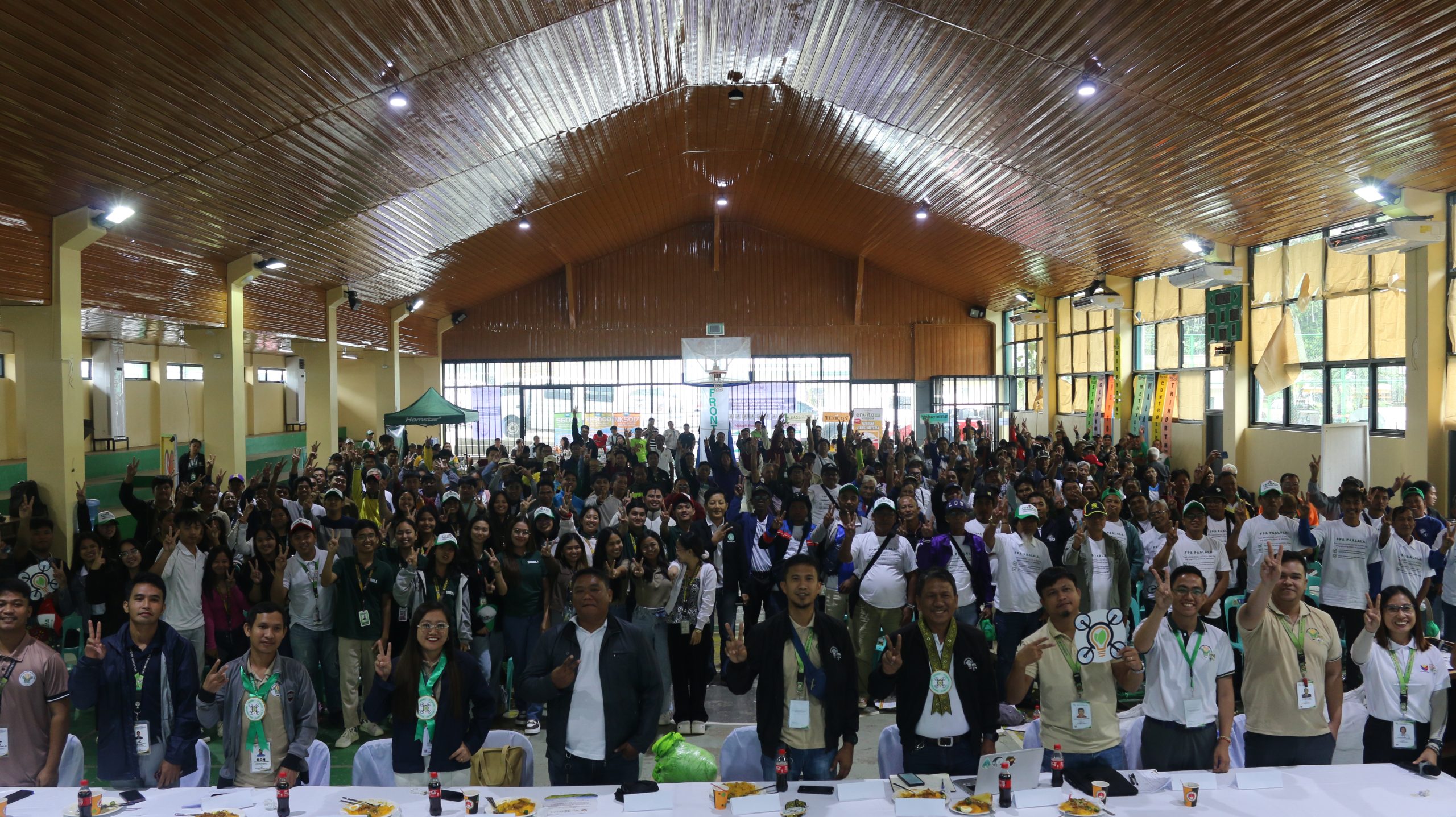
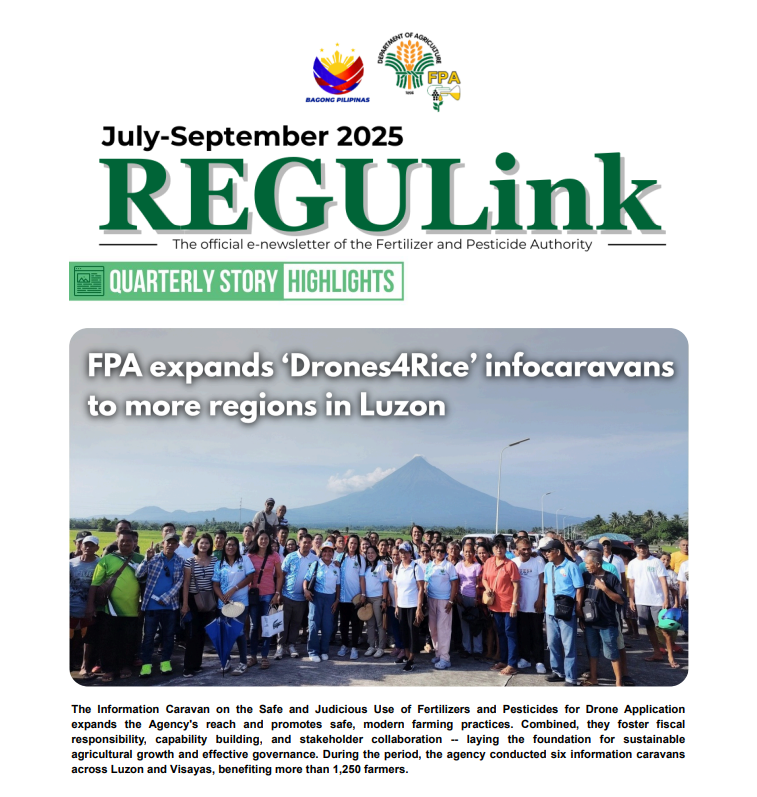
FPA Cagayan Valley reaches 705 farmers in Isabela, Nueva Vizcaya for the Drones4Rice information caravan
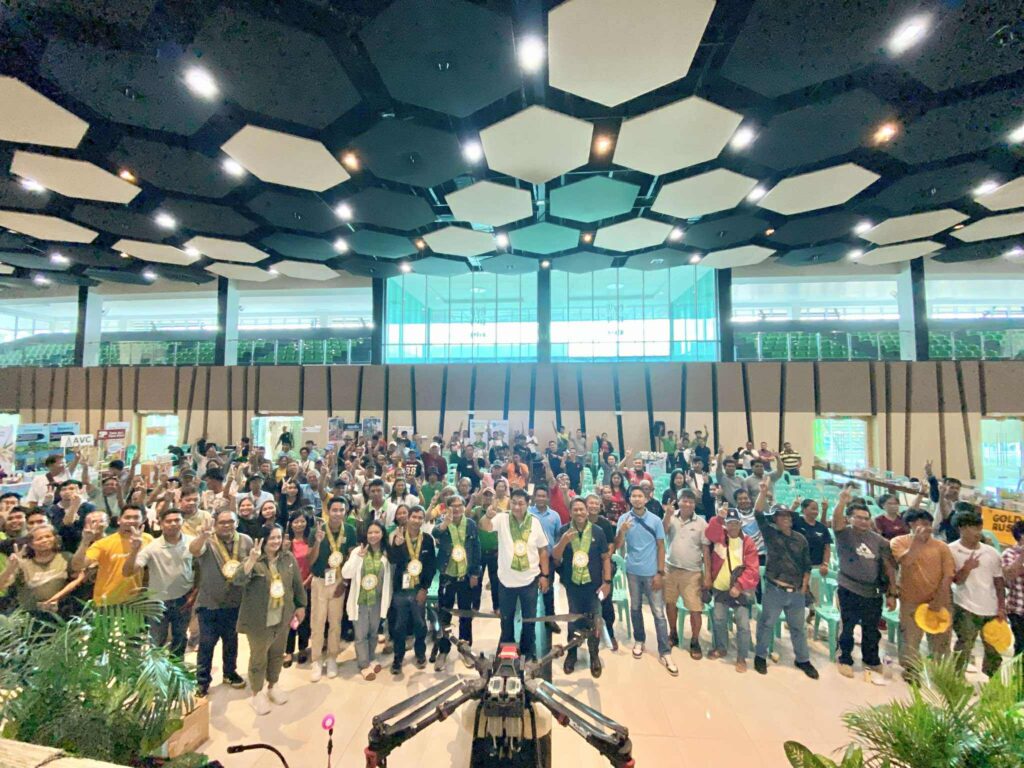
September 2025 | Cagayan Valley – The Fertilizer and Pesticide Authority (FPA) Regional Field Unit 2 – Cagayan Valley successfully conducted two information caravans on the safe and responsible use of fertilizers and pesticides through drone application.
The first caravan was held on September 17, 2025 in Minante I, Cauayan City, Isabela with 355 participating farmers and stakeholders, while the second caravan took place on September 23, 2025 in Bayombong, Nueva Vizcaya, with 350 participants.
Organized by FPA Cagayan Valley with support from local government units (LGUs), the Department of Agriculture (DA) Regional Field Offices, and the National Rice Program (NRP), the caravans featured live drone demonstrations, technical lectures, and consultations showcasing the practical benefits of agricultural drones in rice farming.

Cagayan Valley, widely recognized as the “Rice Bowl of the North,” remains one of the country’s top producers of rice and corn. Its fertile soil, favorable climate, and abundant river systems sustain the region’s vast farmlands, making it an ideal area for the adoption of precision agriculture.
The use of agricultural drones is expected to further enhance efficiency in crop care, optimize input utilization, and strengthen the region’s role as a major food basket of the Philippines.
“Ngayong caravan na ito, nagpapasalamat ako sa Fertilizer and Pesticide Authority at sa tulong ng iba’t ibang ahensya para ipalaganap itong drone natin,” said Dr. Marvin Luis of the DA Regional Office.
He underscored the importance of research collaborations with the International Rice Research Institute (IRRI), Philippine Rice Research Institute (PhilRice), and other partners in comparing the outcomes of traditional farming methods with drone-assisted approaches.

Meanwhile, Engr. Edgar Allan Marquez of Isabela State University’s College of Engineering emphasized the significance of exposing students to advanced technologies.
“Magandang pagkakataon itong information caravan para sa ating mga estudyante na naririto ngayon, mga future scientists, innovators, at agricultural engineers, na makita at maranasan ang makabagong teknolohiya na magsisilbing inspirasyon upang maki-bahagi sa pag-unlad ng agrikulturang Pilipino,” he said.
Agricultural drones are increasingly being recognized as game-changing tools in modern farming. They allow for faster, safer, and more cost-efficient application of seeds, fertilizers, and pesticides, while minimizing environmental impact and reducing health risks for farmers.The Drones4Rice Information Caravan, first introduced in 2024 by the DA–NRP in SOCCSKSARGEN and Central Luzon, continues to expand nationwide, with additional information caravans scheduled in the coming months. ###
Writer: Maricris Ferrer
|
_________________________________________________________
Fertilizer and Pesticide Authority (FPA) Online ISSN: 2815-1674
Published by the FPA Information and Communications Team -
Special Order No. 2025-217
DESIGNATION OF MR. MELECIO L. CHOSCHOS AS OFFICER-IN-CHARGE OF THE REGIONAL FIELD UNIT (RFU) I, FERTILIZER AND PESTICIDE AUTHORITY (FPA)
-
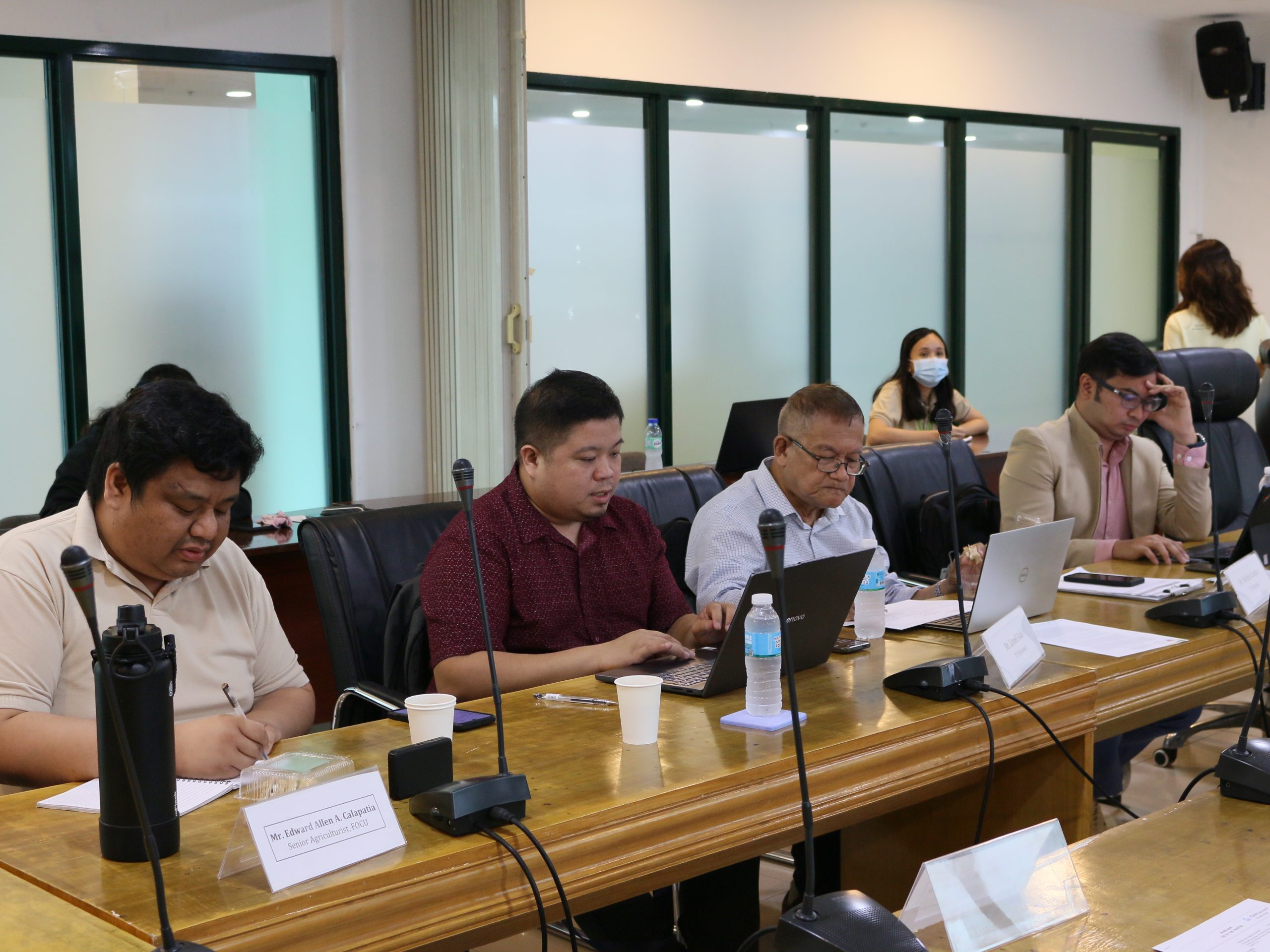
FPA maintains ISO 9001:2015 recertification, strengthening innovation and service delivery

September 23, 2025 | Quezon City – The Fertilizer and Pesticide Authority (FPA) has successfully retained its ISO 9001:2015 Quality Management System (QMS) certification following an external audit conducted on August 20, 2025 by the certifying body, TÜV Rheinland Philippines, Inc.
The audit assessed the agency’s compliance with legal, regulatory, and contractual requirements, as well as the effectiveness of its management system in achieving organizational objectives. It covered core processes such as product registration, issuance of licenses, permits, and accreditations, and the conduct of laboratory analyses and evaluations.
Key accomplishments recognized during the audit included:
• Development by the Pesticide Regulations Division (PRD) of two reference manuals for residue evaluation and bio-efficacy
• Formulation of the agency’s 10 Key Initiatives
• Integration of an online accreditation application into the FPA Trade System
• Ongoing deployment of Digi-Pay, an online payment platform developed with the Development Bank of the Philippines (DBP) for license and accreditation applications and renewals
• Continued construction of the new Laboratory Service Division (LSD) facility
• Strengthened policies on agricultural drone use through updated regulations, strategic partnerships, and nationwide information caravans
• Consistent receipt of the Commission on Audit’s Plaque of Recognition for an Unmodified Opinion on its financial statements from 2021 to 2024The audit team, led by Lionell Aala with members Melchor Camina and Marion Louis Aguilar Almazan, reported no nonconformities, affirming FPA’s sustained compliance and effective QMS implementation.
###
Writer: Wendycharlene Almasen
|
_________________________________________________________
Fertilizer and Pesticide Authority (FPA) Online ISSN: 2815-1674
Published by the FPA Information and Communications Team